
Lovoa swynnertonii
Lovoa swynnertonii
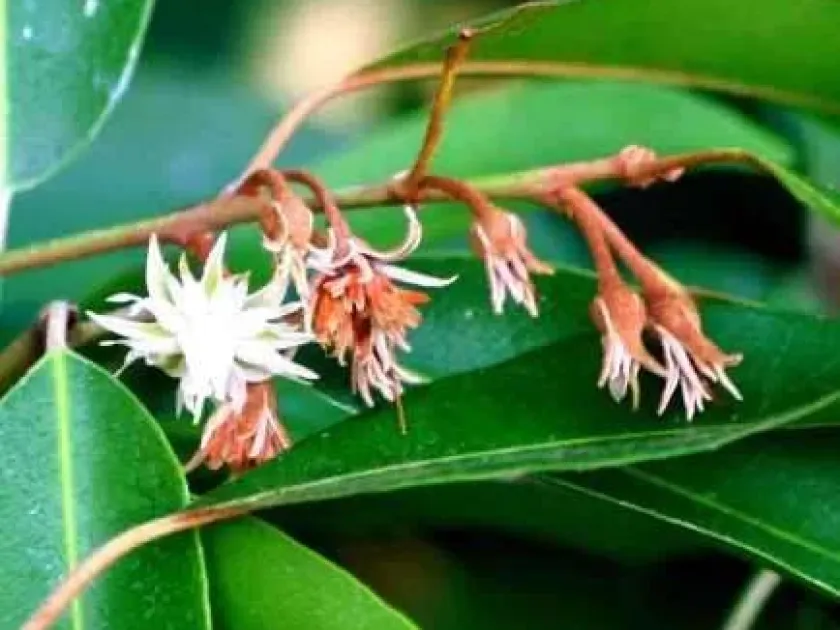
Description
Growing requirements
Lovoa swynnertonii is a prominent tree species belonging to the Meliaceae family. Known for its impressive height and straight bole, it is an essential component of tropical forest ecosystems in East and Central Africa.
The tree thrives in regions characterized by high humidity and warm temperatures. It requires a stable climate and performs best in deep, fertile soils that offer excellent drainage to prevent root rot.
Proper site selection is crucial for the cultivation of this species, as it is sensitive to waterlogged ground and compacted soil conditions that hinder root development.
While young saplings may benefit from partial shade, mature trees require significant sunlight to maintain their growth rate and build a robust canopy structure.
Successful silviculture involves regular maintenance of the stand, ensuring that individual trees have enough space to develop without excessive competition for light and ground nutrients.
Yield
The primary economic output of Lovoa swynnertonii is its high-quality timber, which is highly sought after for its durability and distinct aesthetic properties similar to African Walnut.
The wood is prized in the furniture industry for its workability, smooth finish, and rich color, making it a preferred material for high-end cabinetry and decorative paneling.
Commercial production requires a long-term investment strategy due to the slow maturation process of the timber, necessitating sustainable forest management practices.
In addition to timber, the species contributes to forest health by providing canopy cover and supporting local biodiversity, which is vital for ecological sustainability.
Integration into agroforestry projects allows landowners to utilize the land for multiple purposes while harvesting the high-value wood over a multi-decade timeframe.
Main diseases and pests
The main threats to Lovoa swynnertonii include specific tropical pests that target new foliage, potentially stunting the tree's development during its formative years.
Fungal pathogens associated with poor air circulation and excessive dampness can lead to decay, particularly if the tree has sustained mechanical injuries.
Invasive species can act as intense competitors for nutrients, posing a significant risk to the survival rate of newly planted saplings in a commercial or restored setting.
Poor silvicultural practices, such as improper pruning, can expose the tree to wood-boring insects and other organisms that cause long-term structural damage.
Effective management includes regular monitoring and the implementation of cultural control methods to keep the stand healthy and resilient against environmental stressors.