
Khaya nyasica
Khaya nyasica
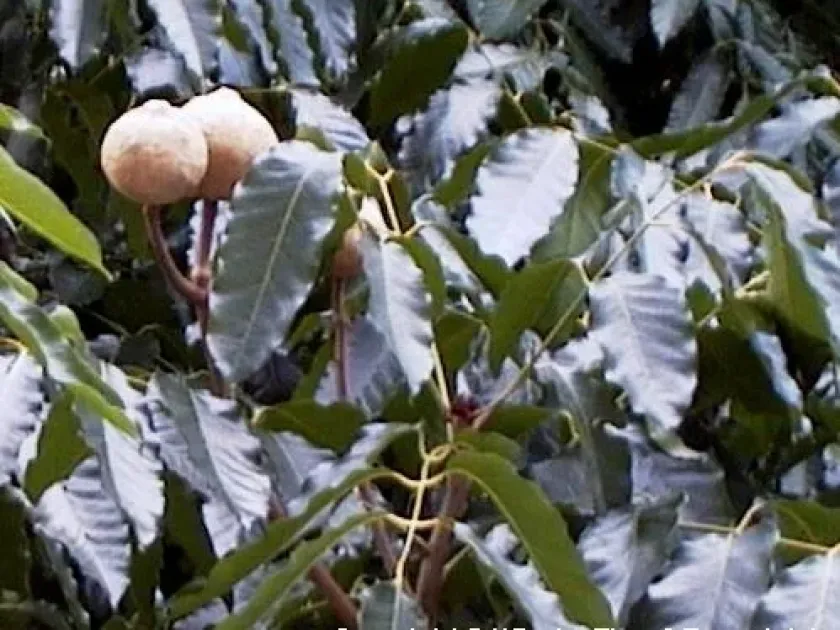
Description
Sowing dates
Seeds of Khaya nyasica have a very short storage life, requiring immediate sowing in nurseries after harvest to ensure viability.
A well-drained substrate, rich in organic matter, is necessary to support the rapid development of the taproot in the early stages.
Seedlings should be moved to the field at the beginning of the rainy season to establish themselves before the onset of the dry months.
Sowing depth should be shallow, generally not exceeding twice the diameter of the seed, to allow for optimal germination rates.
Regular monitoring of seedbeds is essential to maintain uniform moisture levels and prevent early damping-off diseases.
Growing requirements
Khaya nyasica is a large, evergreen tree belonging to the Meliaceae family, naturally occurring in moist forest environments.
It thrives in tropical climates with high annual rainfall, typically exceeding 1200 mm, and consistent, warm temperatures.
The species is highly demanding of deep, fertile, and moist soils, preferably those located near riverbanks or in alluvial plains.
It requires protection from cold extremes and excessive winds, which can damage the canopy and inhibit vertical stem development.
Although it can tolerate some shade as a sapling, it requires full sunlight as it matures to achieve maximum growth potential.
Yield
The tree is primarily cultivated for its high-value timber, which is globally recognized as African mahogany, known for its deep color and durability.
The wood is highly resistant to termite and borer attacks, making it a preferred material for exterior and interior construction.
Sustainable plantation management typically targets a rotation period of 30 to 50 years to produce quality logs of appropriate diameter.
Beyond timber, the species contributes significantly to local biodiversity and environmental soil protection in its native range.
- Fine cabinet making
- Boat building and marine applications
- High-end flooring and architectural millwork
Main diseases and pests
The shoot borer Hypsipyla robusta is the most significant biological threat, as it destroys the terminal shoot, causing branch deformity.
Root rot pathogens can be problematic in waterlogged soils, leading to tree decline or complete loss of plantation stands.
Competition from fast-growing invasive grasses can severely stunt the growth of young trees if not managed by regular weeding.
Fungal leaf diseases often occur in nurseries or plantations with poor airflow, causing premature defoliation and reduced photosynthesis.
Over-extraction from wild forests and habitat degradation are major conservation threats facing the long-term survival of the species.