
Khaya grandis
Khaya grandis
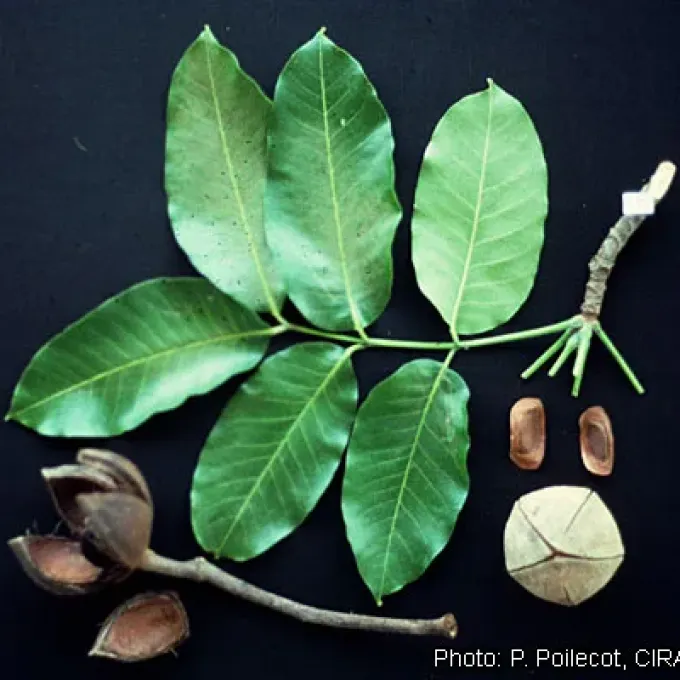
Description
Growing requirements
Khaya grandis is a significant species belonging to the Meliaceae family. Renowned for its potential in forestry, this tropical hardwood tree is highly regarded for its structural wood quality and rapid biomass accumulation in favorable habitats.
Native to the moist tropical regions of Africa, the species thrives in areas with consistent rainfall and high ambient temperatures. These environmental conditions are essential for maintaining the year-round physiological activity required for optimal growth rates.
Cultivation success depends on the selection of well-drained, deep, and nutrient-rich soils. The tree does not tolerate waterlogging, as its root system requires consistent oxygen availability to prevent decay and ensure stable nutrient uptake from the forest floor.
Regarding agrotechnology, young plantations require consistent monitoring for light competition. Proper spacing is mandatory to facilitate canopy development while preventing the trees from becoming overly thin, which ensures better straightness of the main stem.
The wood derived from this species is commercially valuable, frequently utilized in fine furniture production, architectural millwork, and veneer fabrication. Its durability, rich color, and workability make it a preferred material in global timber markets.
Main diseases and pests
The primary biotic challenge for Khaya grandis is the shoot borer, Hypsipyla robusta. This insect pest is notorious for destroying the apical meristems of young trees, which often leads to poor branching patterns and significantly reduces the economic value of the wood.
Fungal infections, particularly root rot, can occur if drainage is insufficient or if plant density is too high, creating a microclimate that promotes pathogen spread. Effective forest management practices must include thinning and monitoring to maintain overall plant vigor.