
Guarea guidonia
Guarea guidonia
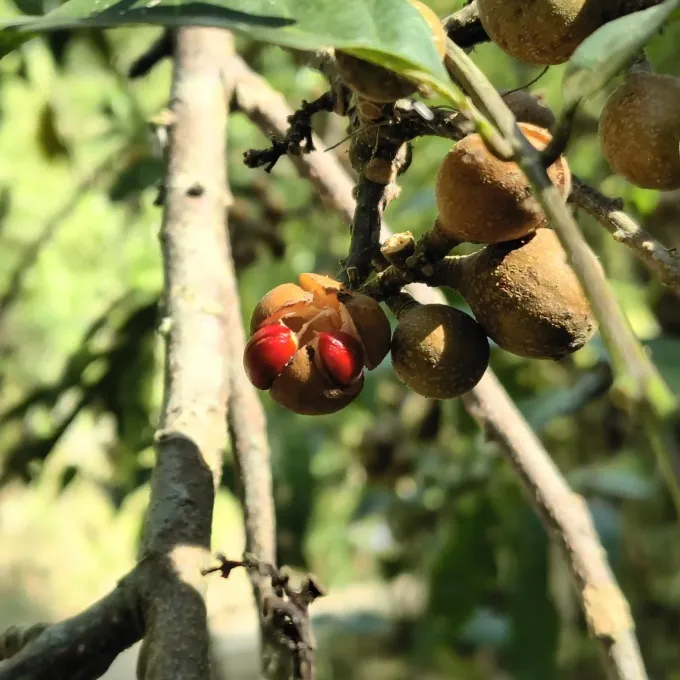
Description
Growing requirements
Guarea guidonia is an evergreen tree species belonging to the Meliaceae family. In its natural habitat, the plant grows to a significant size, often forming part of the dense canopy in tropical forests across Central and South America and the Caribbean islands.
Optimal growth for this crop requires humid tropical conditions with abundant rainfall throughout the year. The tree prefers deep, fertile, and well-drained soils, and is frequently found along riverbanks and on alluvial plains.
The culture is highly sensitive to prolonged drought and extremely low temperatures. The optimal temperature range for development is between 22 and 28 degrees Celsius, and the plant adapts well to partial shade during the early stages of its life cycle.
During agrotechnical maintenance, special attention is paid to protecting young saplings from competing vegetation. Regular weeding and the application of organic fertilizers during the initial growth phase promote the formation of a straight, high-quality trunk.
Biologically, the plant possesses a strong ability to regenerate within forest ecosystems. Guarea guidonia is valued for its aesthetic qualities and its capacity to accumulate biomass rapidly in a favorable microclimate.
Yield
The economic utilization of Guarea guidonia is primarily focused on the production of high-quality timber. The texture of the wood resembles that of mahogany, making it highly sought after in the woodworking and furniture industries.
The wood of this crop is noted for its strength, ease of processing, and resistance to warping. It is used to manufacture fine furniture, interior paneling, musical instruments, and various decorative items.
Beyond its timber value, the plant is used in traditional medicine and as an ornamental element for landscaping purposes. In forestry, this species is considered promising for the restoration of degraded tropical ecosystems.
Yield, in a forestry context, is measured by the volume of commercial timber obtained from a hectare of plantation over a full rotation cycle. With proper management, the culture exhibits high biological productivity.
The plant also plays an important ecological role by providing food and shelter for numerous species of tropical birds and insect pollinators, which indirectly supports the biodiversity of the cultivation sites.
Main diseases and pests
Typical pests affecting this culture include various species of wood-boring insects capable of damaging the trunk of young trees. Regular phytosanitary monitoring of plantations allows for the timely suppression of infestation outbreaks.
Fungal diseases that develop in conditions of excessive humidity and poor air circulation can lead to leaf damage and shoot necrosis. Agronomists recommend maintaining optimal planting density to ensure adequate ventilation.
Root rot poses a significant threat when the crop is cultivated in waterlogged areas with poor drainage. Prevention involves selecting appropriate sites for establishing forest stands.
Damage from animals, such as small rodents or larger forest mammals, can negatively impact seedling survival rates. The use of protective fencing is an effective method for mitigating this factor.
- Infestation by leaf-eating insects
- Risk of leaf spot diseases in high humidity
- Damage to bark by wood-boring pests