
Guarea glabra
Guarea glabra
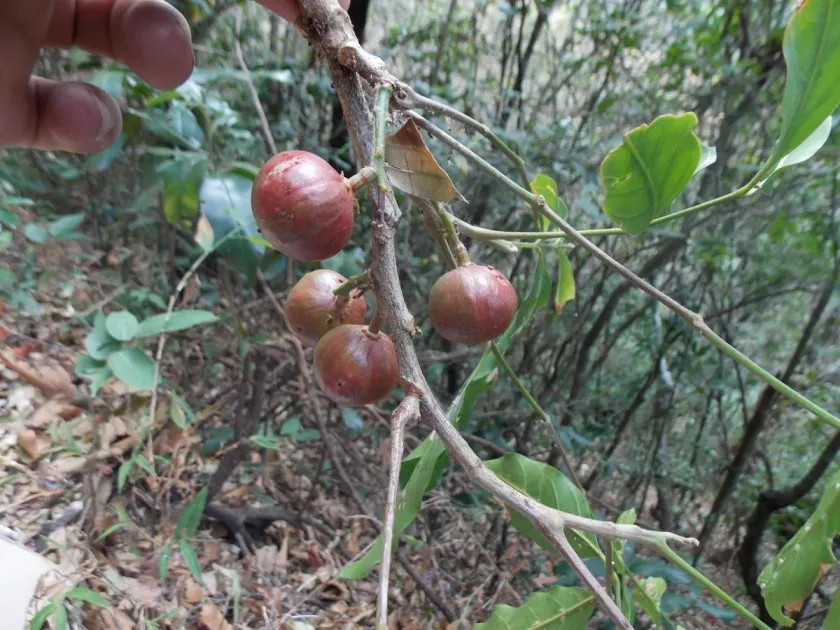
Description
Growing requirements
Guarea glabra belongs to the Meliaceae family and is recognized as an evergreen tree species typically found in the tropical Americas.
This tree is native to diverse habitats ranging from Mexico through Central America and extending into South America and the Caribbean islands.
Optimal growth requires fertile, moist, and well-drained soils, as the species is sensitive to waterlogged conditions that can cause root decay.
Climate requirements include consistently high temperatures and significant annual rainfall, reflecting its natural evolution in humid forest environments.
In cultivation, establishing windbreaks and ensuring adequate spacing are critical to support the structural integrity and health of young trees.
Yield
The primary economic value of Guarea glabra lies in its high-quality timber, which is durable and resistant to many wood-boring insects.
Traditionally, local communities utilize the bark and leaves of the tree for various ethnobotanical applications, including medicinal infusions.
The tree plays a vital role in local agroforestry systems by providing shade for sensitive crops and contributing to soil stabilization in sloped areas.
Ecological yield includes the provision of fruit, which serves as a staple dietary component for various species of tropical birds and small mammals.
Research into the secondary metabolites found in this species continues to highlight its potential in sustainable botanical resource management.
Main diseases and pests
Guarea glabra naturally possesses phytochemical defenses, making it somewhat resilient to standard agricultural pests compared to non-native varieties.
However, excessive humidity in poorly managed plantations can lead to the proliferation of fungal pathogens that target the root systems and foliage.
Leaf-feeding insects may occasionally infest localized populations, particularly during the transition between dry and rainy seasons.
Sustainable management requires vigilant monitoring for signs of rot or insect bore holes, which are indicators of underlying physiological stress.
- Maintain proper air circulation within the stand.
- Perform regular phytosanitary pruning to remove dead tissue.
- Monitor soil moisture levels to avoid anaerobic conditions.