
Entandrophragma candollei
Entandrophragma candollei
Description
Growing requirements
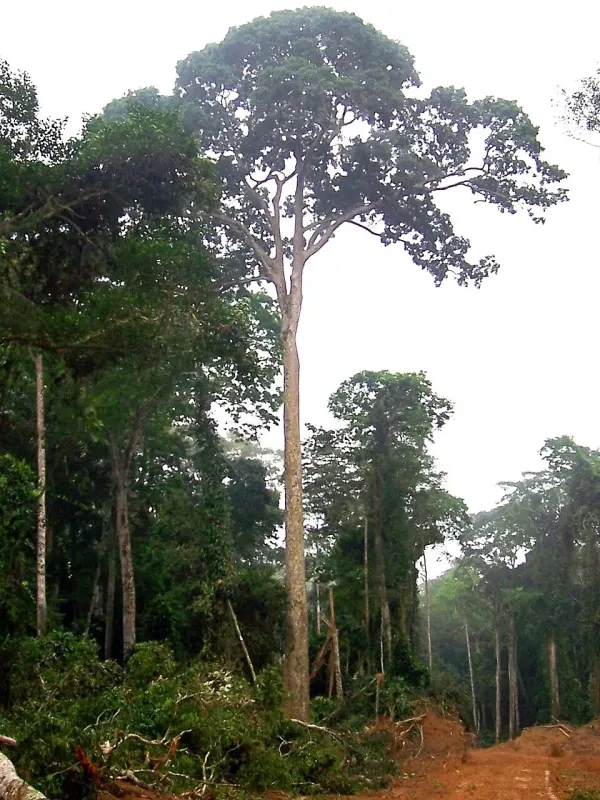
Entandrophragma candollei is a member of the Meliaceae family, recognized as a massive tropical tree reaching heights of up to 50 meters. It is native to the rainforest regions of West and Central Africa.
The species thrives in warm, humid tropical environments where temperatures remain stable year-round. It requires consistent rainfall and deep, fertile soils to support its extensive root system and rapid vertical growth in maturity.
Drainage is a critical factor in selecting plantation sites. The tree is sensitive to waterlogged conditions, which can lead to root rot and stunted development during the critical seedling stage.
Silvicultural management is generally focused on forest regeneration. Because of its slow growth rate, the culture is managed through long-term forestry cycles rather than short-term agricultural practices.
Seed propagation is the primary method of cultivation. In nurseries, young plants require careful shading and monitoring to ensure they can survive the competitive environment of a tropical forest floor.
Yield
The timber obtained from Entandrophragma candollei is commercially traded as "Kosipo." It is highly valued for its durability, hardness, and rich reddish-brown coloration, making it a premium choice for high-end woodwork.
The yield is evaluated based on the volume of high-quality sawlogs harvested from sustainable forest management areas. Given the long rotation periods required for maturity, the yield is inherently long-term.
Its primary applications include the production of luxury furniture, heavy-duty joinery, flooring, and decorative interior panels. The wood is also praised for its stability and resistance to warping once properly seasoned.
The timber's physical properties make it suitable for construction elements that require both aesthetic appeal and structural longevity, ensuring its continued relevance in the global market.
Modern forestry practices emphasize sustainable harvesting techniques to ensure the long-term viability of the species while meeting international demand for high-quality tropical wood products.
Main diseases and pests
The primary threats to the species include wood-boring insects, which can cause significant degradation to the timber and render it unsuitable for high-quality industrial processing.
Fungal diseases, often facilitated by excess humidity or physical damage to the trunk, pose a persistent threat to the health and structural integrity of both young and mature trees.
Deforestation and habitat loss are the most critical factors threatening the natural populations of this species, highlighting the need for rigorous forest management protocols.
Climate variability, particularly shifts in rainfall patterns, can disrupt the growth cycle and increase the vulnerability of the tree to environmental stressors.
- Wood-boring beetles causing galleries in the trunk.
- Fungal infections affecting root and heartwood stability.
- Competition from aggressive pioneer plant species in disturbed areas.