
Ocotea cernua
Ocotea cernua (Nees) Mez
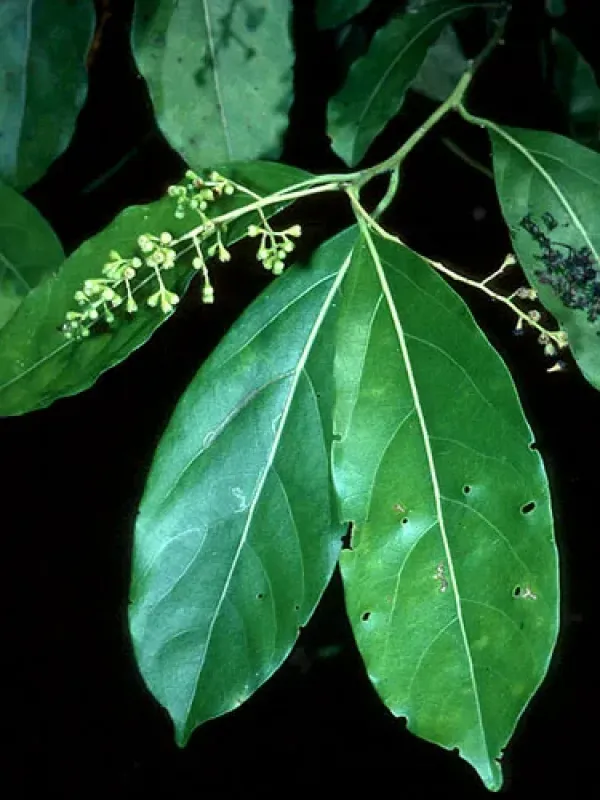
Description
Growing requirements
Ocotea cernua is an evergreen woody species belonging to the Lauraceae family, widely recognized for its ecological importance in tropical regions. This plant thrives primarily in subtropical and tropical forest habitats, where it occupies a niche in the middle canopy layer.
The climate requirements for this culture include high annual rainfall and constant warm temperatures. It is highly sensitive to frost, making it suitable only for regions with a consistent climate that lacks freezing conditions throughout the year.
Regarding soil preferences, it favors deep, well-drained, nutrient-rich soils with high organic matter content. The root system is delicate and prone to suffocation in waterlogged or compacted soils, which makes soil aeration a critical factor in successful cultivation.
Ocotea cernua is considered a shade-tolerant species, particularly in its juvenile stage. As the tree matures, it develops a higher demand for light, but it should still be protected from extreme, direct solar radiation to avoid leaf scorch during the dry season.
Proper agronomic practices include the application of balanced organic fertilizers to maintain soil fertility. Irrigation management is essential, ensuring that the soil remains consistently moist without ever becoming saturated, which is a major point of maintenance for growers.
Main diseases and pests
Common threats to Ocotea cernua include various soil-borne pathogens that target the root system, often leading to severe fungal infections. Proper drainage is the primary defense against these persistent biological threats.
Pests such as scale insects and aphids often infest the undersides of leaves, draining sap and weakening the plant's overall vitality. Regular inspections and the introduction of natural predators are effective ways to manage these pest populations organically.
Anthracnose remains a significant risk during prolonged humid and rainy weather, causing distinctive spots on the foliage. Growers are advised to apply copper-based treatments proactively to prevent the rapid spread of the disease during vulnerable growth stages.
Nematodes are another hidden threat that can impede root growth and nutrient uptake. Rotating crops or using sterilized potting media in nursery settings is recommended to mitigate the risks of soil contamination by these organisms.
Environmental stress, such as prolonged drought followed by heavy rainfall, can lead to physiological imbalances, making the trees more susceptible to wood-boring insects. Maintaining optimal plant vigor through steady care is the best prevention against opportunistic pest attacks.