
Ocotea racemosa
Ocotea racemosa (Danguy) Kosterm.
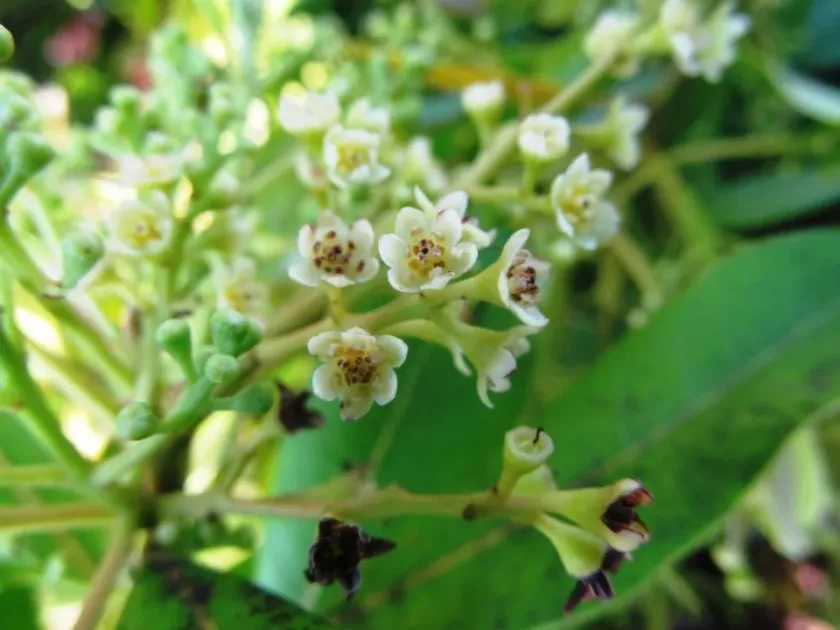
Description
Growing requirements
Ocotea racemosa is an evergreen tree species belonging to the Lauraceae family. It is a significant woody plant characterized by its dense canopy and specific adaptation to humid tropical environments.
The native habitat of this species is primarily located in Madagascar. It thrives in dense tropical forest ecosystems, occupying a position in the understory and middle canopy, depending on local conditions.
The species requires a strictly tropical climate with consistent temperatures throughout the year. It lacks frost tolerance and is highly susceptible to climatic stress caused by sudden temperature changes.
Soil requirements for Ocotea racemosa include well-draining, fertile soils rich in organic matter. Proper drainage is critical, as waterlogging is detrimental to the tree's development and long-term survival.
Agricultural management for this species is challenging due to its sensitivity. Success in cultivation relies on maintaining high ambient humidity and stable ecological conditions similar to its natural environment.
Harvesting
The primary economic use of this tree involves the harvesting of its wood, which is known for its durability and structural quality. It is often utilized in high-end carpentry and fine furniture production.
Scientific research into the species focuses on the essential oils present in its tissues, which may hold prospective value for the pharmaceutical and fragrance industries due to their unique chemical profile.
In its native range, the tree serves a vital ecological function. It provides essential food resources for native bird species and mammals, facilitating seed dispersal and the maintenance of forest diversity.
Conservation efforts are necessary because the species is naturally limited to specific forest regions. Sustainable extraction practices are essential to prevent the depletion of wild populations.
While the tree has significant potential, its commercial large-scale planting is restricted by the need for specialized tropical conditions, keeping it largely within the domain of botanical study and sustainable forestry.