
Ocotea acutifolia
Ocotea acutifolia (Nees) Mez
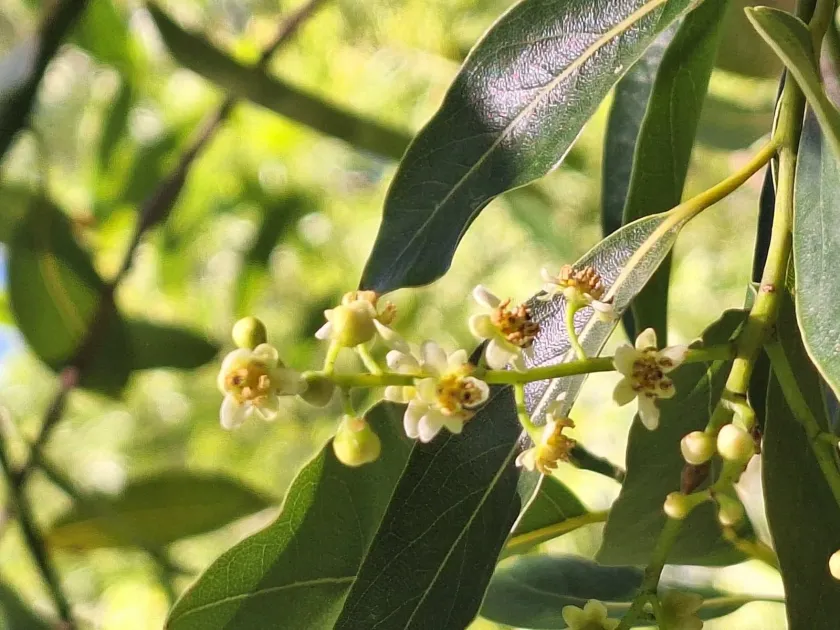
Description
Growing requirements
Ocotea acutifolia is an evergreen woody species belonging to the Lauraceae family. Native to South America, this tree is primarily found in the moist Atlantic forests, where it plays a critical role in local biodiversity and forest architecture.
The species requires specific environmental conditions to thrive, favoring high annual rainfall and humid atmospheric conditions. It performs best on deep, nutrient-rich soils that possess excellent drainage capabilities to avoid root rot.
Regarding climate, Ocotea acutifolia is highly sensitive to extreme frost, preferring stable subtropical or tropical temperatures. As a shade-tolerant plant during its seedling stage, it gradually requires more light exposure as it matures into the forest canopy.
Agricultural management involves careful site selection and maintenance of soil moisture levels. During the establishment phase, protective measures against excessive wind and competition from invasive vegetation are vital for ensuring survival rates.
The economic value of this species is primarily derived from its high-quality timber. The wood is appreciated for its durability and structural stability, making it a preferred material for furniture making, cabinetry, and fine construction work.
Main diseases and pests
Major phytosanitary threats include fungal diseases caused by moisture-related pathogens, particularly in poorly drained environments. Effective drainage management is the primary defense strategy for commercial woodlots.
Various borers and foliage-feeding insects can affect the vitality of younger trees. Regular monitoring for signs of infestation and maintaining tree vigor are essential components of an effective plant protection program.