
Brazilian Walnut
Ocotea porosa (Nees & Mart.) Barroso
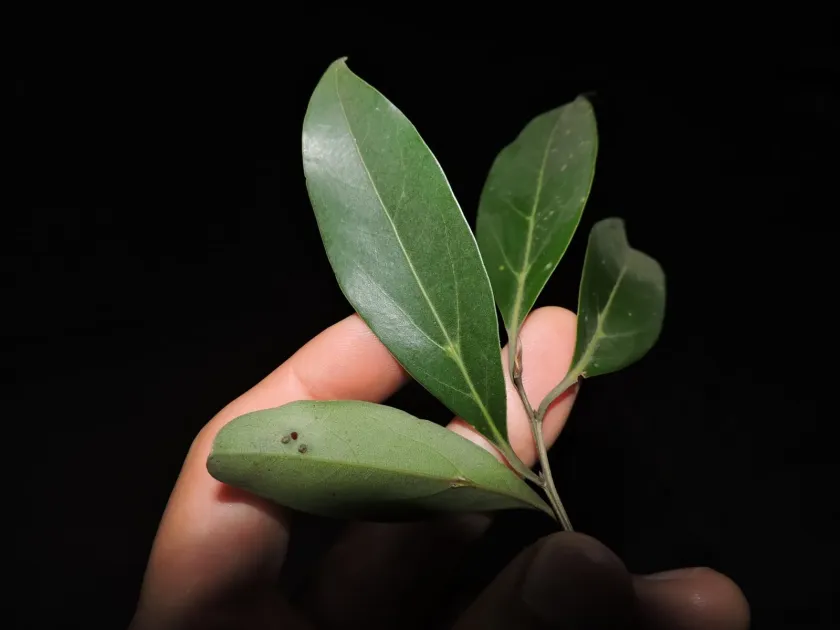
Description
Growing requirements
Ocotea porosa, known as the Brazilian Walnut or Imbuia, belongs to the Lauraceae family. It is a majestic evergreen tree species native to the subtropical forests of southern Brazil, where it plays a vital role in the ecosystem.
The tree thrives in climates characterized by high rainfall and stable, warm temperatures. It is highly sensitive to frost, which limits its successful cultivation to regions that mimic its natural habitat in the Brazilian highlands.
Regarding soil requirements, Ocotea porosa demands deep, fertile, and well-drained soils. Proper soil aeration is essential to prevent root asphyxiation, as the species is sensitive to waterlogged conditions that occur in heavy clay soils.
Cultivation practices involve carefully managed nursery stages. Seedlings must be kept in partial shade during their early growth phase to ensure strong establishment before being transplanted into more exposed forest clearings.
The economic value of this tree is primarily linked to its high-quality timber. The wood, known as Imbuia, is prized for its exceptional durability, intricate grain patterns, and rich dark coloration, making it ideal for fine cabinetmaking and luxury furniture.
Main diseases and pests
Fungal diseases represent a significant threat to the health of Ocotea porosa plantations, particularly in areas with poor drainage or excessive humidity. Maintaining optimal spacing between trees is crucial for ensuring sufficient air circulation.
Pest management focuses on protecting the bark and vascular system from boring insects. Regular monitoring programs are essential to detect infestations early, as localized pest attacks can rapidly compromise the integrity of the valuable timber.