
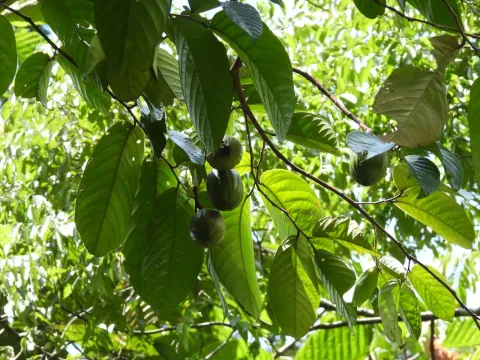
Eusideroxylon
Eusideroxylon
Eusideroxylon zwageri, commonly known as Borneo ironwood, is a species belonging to the Lauraceae family. It is a long-lived tropical hardwood tree native to the rainforests of Southeast Asia.
What the section contains


Eusideroxylon
This species requires a tropical climate characterized by consistently high rainfall and stable warm temperatures. It thrives in humid environments and cannot tolerate prolonged drought or extreme temperature fluctuations.
The ideal soil conditions for this crop include deep, well-drained alluvial or sandy clay soils. It is naturally found in low-lying areas where nutrient availability and soil structure support slow, robust development.
Due to its incredibly slow growth rate, the cultivation of Eusideroxylon is a long-term commitment. In forest management, it is often treated as a late-successional species that requires careful shading when young.
Modern agronomic approaches involve nursery propagation and managed reforestation efforts to ensure the survival of saplings until they are strong enough to compete within the canopy layer.
The timber of Eusideroxylon is legendary for its durability, hardness, and resistance to environmental decay. It is widely regarded as one of the most stable timbers for extreme conditions.
Harvesting is strictly regulated due to the tree's conservation status. Sustainable forestry practices are essential to balance the high demand for its premium wood with the necessity of preserving wild populations.
The wood is primarily used for heavy-duty outdoor construction, including marine structures, decking, and bridge supports. It is naturally resistant to termites and fungal attacks without the need for toxic treatments.
Processing this timber presents unique challenges to the wood industry. Due to its extreme density, conventional woodworking tools are often insufficient, necessitating specialized industrial machinery.
Beyond timber, the tree is culturally significant in its native range, where its longevity and wood properties are highly valued in traditional building techniques and local craftsmanship.