
Eusideroxylon zwageri
Eusideroxylon zwageri
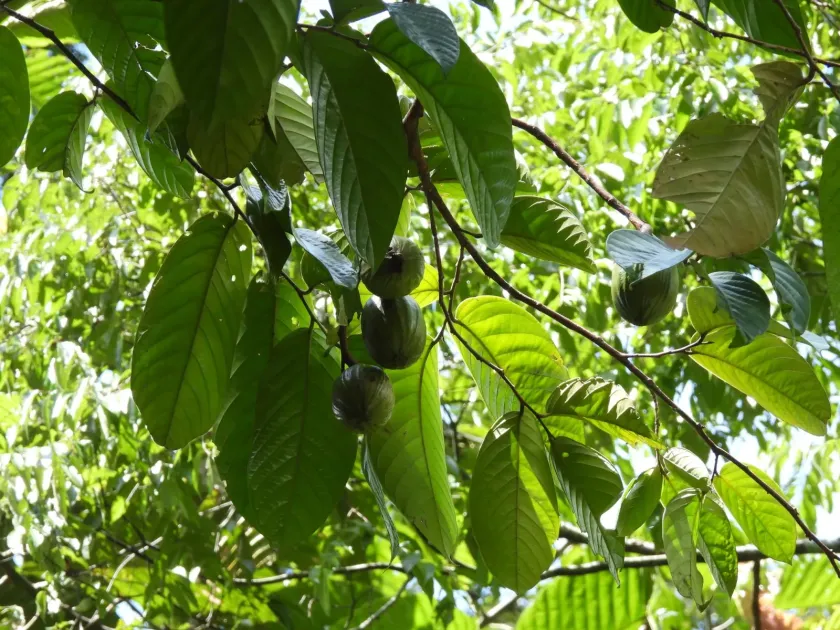
Description
Sowing dates
The propagation of Eusideroxylon zwageri is primarily conducted through seeds in its native environment. The seeds are recalcitrant, meaning they lose viability quickly if not planted soon after harvesting.
In nursery conditions, seeds must be sown in high-quality organic substrates to ensure proper germination. Maintaining consistent moisture and tropical temperature levels is crucial for the success of seedling emergence.
Young seedlings require specific shading to mimic the understory conditions of a primary rainforest. Excessive exposure to direct sunlight can severely stunt growth and cause leaf burn during the early stages.
Transplanting into the field should occur only when the seedling has developed a robust root structure. Careful handling is necessary to avoid damaging the taproot, which is essential for the tree's stability.
The growth rate of this species is notably slow, which is a major factor in its management. Patience is required, as the tree may take many years to establish itself properly in the field.
Growing requirements
Eusideroxylon zwageri belongs to the Lauraceae family. It is a slow-growing, evergreen tree species native to the tropical rainforests of Indonesia, Malaysia, and the Philippines.
The species thrives in areas with consistent high humidity and rainfall throughout the year. It performs best at temperatures between 25 and 30 degrees Celsius, typical of its equatorial origin.
Soil requirements involve well-drained, nutrient-rich loamy or clay-based environments. While it needs consistent moisture, the tree does not tolerate prolonged waterlogging in the root zone.
In forest plantations, spacing is essential to allow the canopy to develop and to minimize inter-tree competition. The species is highly adapted to competition for light, eventually emerging as a dominant canopy tree.
Long-term environmental monitoring is necessary to maintain the microclimate conditions that support the tree's healthy physiological processes over its long lifespan.
Yield
The tree is world-renowned for its timber, commonly known as Borneo ironwood. It is valued for its extraordinary hardness, density, and natural resistance to rot and decay.
The yield of this species is based on the production of high-quality, durable wood. Although the annual biomass production per hectare is low compared to fast-growing softwoods, the economic value is significantly higher.
Its timber is extensively used in heavy construction, particularly for bridge supports, marine piling, and decking in areas exposed to harsh environmental conditions.
The wood's immunity to termites and marine borers makes it one of the most durable plant-based materials available for civil engineering projects in coastal regions.
Current management strategies focus on conservation and sustainable harvesting, as the species is categorized as vulnerable in its native habitat due to historical overexploitation.
Main diseases and pests
The primary threat to Eusideroxylon zwageri is unsustainable logging and deforestation within its natural range. The slow recovery rate of the species makes it particularly vulnerable to habitat loss.
Seedlings face risks from small mammalian herbivores and localized fungal pathogens if environmental conditions in the nursery become stagnant. Proper drainage is the main preventative measure against root rot.
Climate change, specifically shifting precipitation patterns, poses a threat to the natural regeneration of the species. Prolonged dry spells can severely reduce seedling survival rates.
Adult trees are remarkably resilient to pests and diseases, possessing high concentrations of natural resins and compounds that repel wood-boring insects and decay organisms.
Protection of primary forest fragments is critical to maintaining genetic diversity and ensuring that pollination and seed dispersal cycles remain intact for future reforestation efforts.