
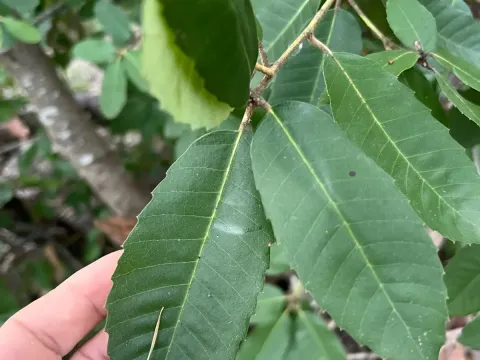
Notholithocarpus
Notholithocarpus
Notholithocarpus densiflorus, commonly known as the tanoak, is a unique evergreen tree belonging to the family Fagaceae. Formerly categorized within the genus Lithocarpus, it is now recognized as a monotypic genus native to the coastal regions of California and Oregon.
What the section contains

Notholithocarpus
The tree thrives in Mediterranean-influenced climates characterized by cool, wet winters and dry, warm summers. It exhibits a remarkable ability to colonize various soil types, preferring deep, well-drained, acidic to neutral soils that provide adequate moisture retention.
Botanically, the species is notable for its shade tolerance during the sapling phase, allowing it to regenerate effectively under a closed canopy. As the tree matures, its sunlight requirements increase, making site selection critical for long-term development.
Regarding cultivation, the species requires consistent soil moisture but is susceptible to root rot if waterlogged conditions persist. Mulching is highly recommended to mimic the natural forest floor environment and preserve soil nutrient balance.
Propagation is typically achieved through seeds, specifically acorns, which require a chilling period to break dormancy. Given the slow growth rate in early stages, intensive management is needed to protect young trees from invasive vegetation.
Historically, the tanoak has been utilized for its durable timber, which is suitable for flooring, furniture, and heavy construction. Its high density makes it an excellent choice for producing quality charcoal and various wood-based industrial materials.
The acorns produced by Notholithocarpus are a significant resource, containing high levels of starch. While they require careful processing to remove bitter tannins, they have potential as an alternative food source and an essential component of the wildlife food chain.
The bark of the tree is rich in tannins, which were traditionally utilized in the leather tanning industry. Although synthetic alternatives are currently more prevalent, there remains niche interest in natural, sustainably sourced tanning agents.
Ecologically, the tree serves as a vital component in forest restoration projects. Its ability to provide habitat and food for diverse bird and mammal species contributes significantly to the overall stability and health of its native ecosystem.
In silvicultural settings, yield is measured by the quality of wood fiber and the longevity of the stand. Regular thinning and strategic site selection are essential to maximize both wood quality and the tree's contribution to biodiversity.
The primary biological threat to Notholithocarpus populations is the pathogen Phytophthora ramorum, the causal agent of Sudden Oak Death. This disease causes necrotic lesions on the trunk and foliage, often proving fatal to mature trees.
Various insect pests, particularly bark beetles, frequently infest trees that are already stressed by climate change or fungal infections. These infestations can significantly degrade timber quality and accelerate the tree's decline.
Environmental stress caused by extreme drought cycles reduces the tree's capacity to produce natural defenses, making it more susceptible to secondary pathogenic attacks. Effective management requires monitoring for early signs of drought stress.
Soil-borne pathogens represent a persistent risk in damp, poorly drained areas. Maintaining proper soil drainage and preventing the introduction of infected nursery stock are critical preventative measures for any cultivation project.
Wildfires remain a devastating factor, especially for younger trees with less developed, protective bark layers. Implementing robust fire management protocols and reducing fuel loads around groves is essential for long-term conservation and productivity.