
Oglethorpe Oak
Quercus oglethorpensis
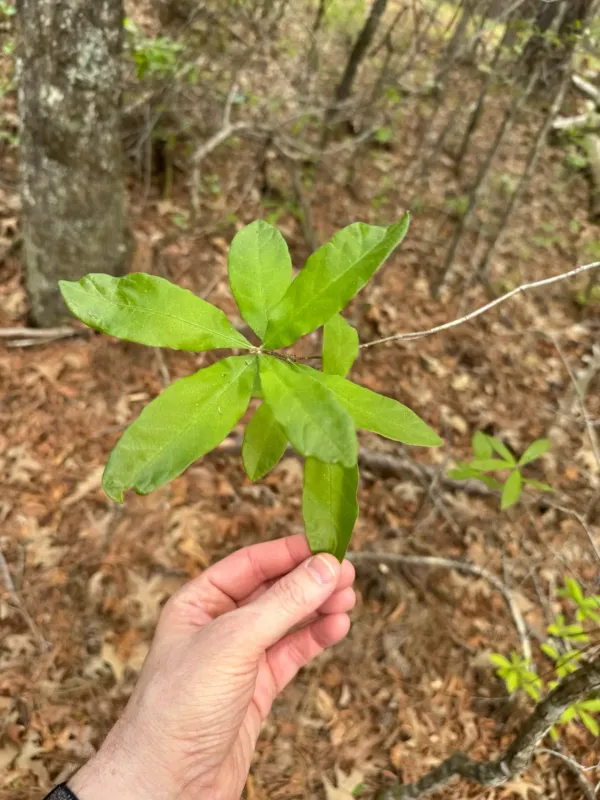
Description
Growing requirements
The Oglethorpe Oak (Quercus oglethorpensis) is a rare deciduous tree belonging to the Fagaceae family. It is native to the southeastern United States, specifically found in a few localized areas.
This species is uniquely adapted to specific soil conditions, thriving primarily in heavy, poorly drained clay soils. It is often found in river floodplains and low-lying, swampy areas.
Regarding climate requirements, the tree prefers regions with adequate annual rainfall and a temperate to subtropical climate. It does not tolerate prolonged drought conditions, which makes site selection crucial for cultivation.
Agrotechnical management involves maintaining appropriate moisture levels within the soil profile to replicate the natural habitat required for the development of the root system.
In landscape or restoration projects, the Oglethorpe Oak serves as a valuable species for conserving biodiversity in wetland-adjacent environments where other species struggle.
Main diseases and pests
The most significant pathological threat to this species is Oak Wilt, a devastating fungal disease caused by Ceratocystis fagacearum, which can cause rapid tree mortality.
Various borers and defoliating insects, such as leaf-rolling caterpillars and weevils, can compromise the health of the tree by feeding on foliage and vascular tissues.
Habitat loss resulting from agricultural land drainage and urban expansion remains a primary environmental threat to the existing wild populations of this oak.
Competition from aggressive, non-native plant species in the understory can inhibit the successful germination and recruitment of young seedlings in the wild.
Integrated pest management strategies are recommended, including the monitoring of crown health and the avoidance of mechanical damage to the trunk that could serve as entry points for pathogens.