
Parashorea malaanonan
Parashorea malaanonan (Blanco) Merr.
Description
Growing requirements
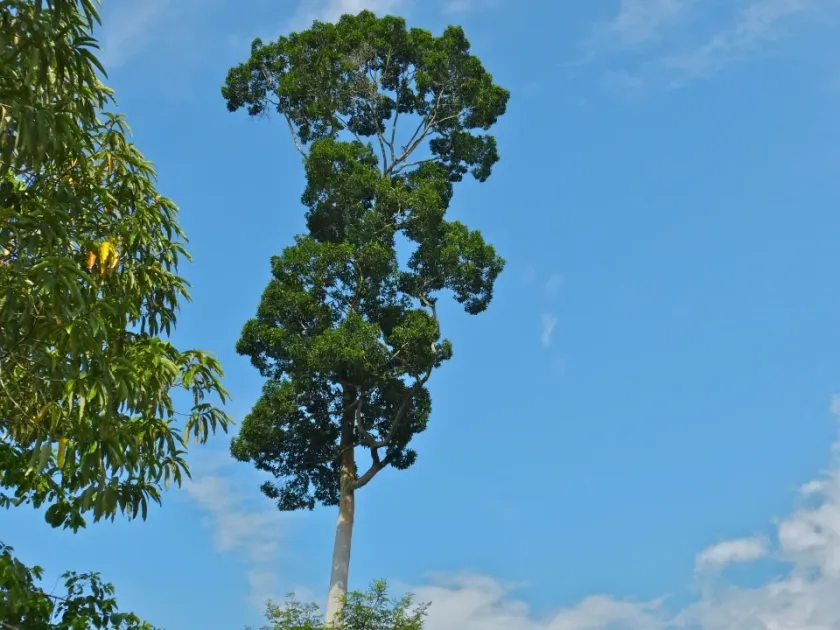
Parashorea malaanonan is a majestic evergreen tree belonging to the family Dipterocarpaceae. Known for its impressive stature, this species can reach heights of up to 60 meters, making it one of the most prominent canopy trees in its native ecosystems and a high-value species for commercial forestry projects.
The tree is native to the tropical forests of the Philippines and parts of Southeast Asia. It thrives in high-humidity environments with stable temperatures throughout the year. As an agricultural commodity in forestry, it requires significant rainfall and a tropical climate to maintain its rapid growth rate and reach harvestable dimensions.
Regarding soil requirements, this species favors deep, fertile, and well-drained soils. It does not tolerate waterlogging, as proper oxygenation of the root zone is essential for its development. Successful plantations are usually established on sloped or elevated terrain that ensures natural drainage during the rainy season.
The silviculture of Parashorea malaanonan involves careful nursery management. Young saplings are highly sensitive to direct, harsh sunlight and must be provided with appropriate shade during their early growth stages. As they mature, they are gradually acclimated to full light exposure to support robust growth and crown development.
In terms of economic use, the wood produced by this tree, often marketed as white lauan or bagtikan, is highly prized. It is characterized by its excellent workability, durability, and appealing texture. It is a staple material in the construction industry, furniture manufacturing, and the production of high-grade plywood.
Main diseases and pests
The primary threats to this species include various wood-boring insects. These pests can significantly damage the timber quality by creating galleries in the trunk, which reduces the structural integrity and aesthetic value of the wood, rendering it less desirable for high-end carpentry and industrial wood products.
Root rot caused by pathogenic fungi poses a significant risk, particularly in areas where soil drainage is not properly maintained. Excess moisture creates favorable conditions for these fungi to infect the root system, which can lead to leaf yellowing, canopy dieback, and eventually the death of the entire tree.
Overcrowding in plantation settings is a common issue that encourages the spread of pests and diseases. When trees are planted too closely, limited airflow and increased humidity within the canopy create an environment where fungal spores and pests can migrate easily from one individual to the next.
Environmental stress, such as extended dry periods followed by extreme humidity, can weaken the trees' natural defenses. During these periods, trees become more susceptible to secondary infections. Maintaining soil health through organic mulching is a key strategy to mitigate the impact of climate-related stressors.
Effective management against pests and diseases in Parashorea plantations relies on proactive monitoring and the selection of site-appropriate planting locations. Removing infected individuals promptly prevents the spread of pathogens, ensuring that the health of the remaining forest stand is preserved for future harvest.