
Ceylon Dipterocarpus
Dipterocarpus zeylanicus Thwaites
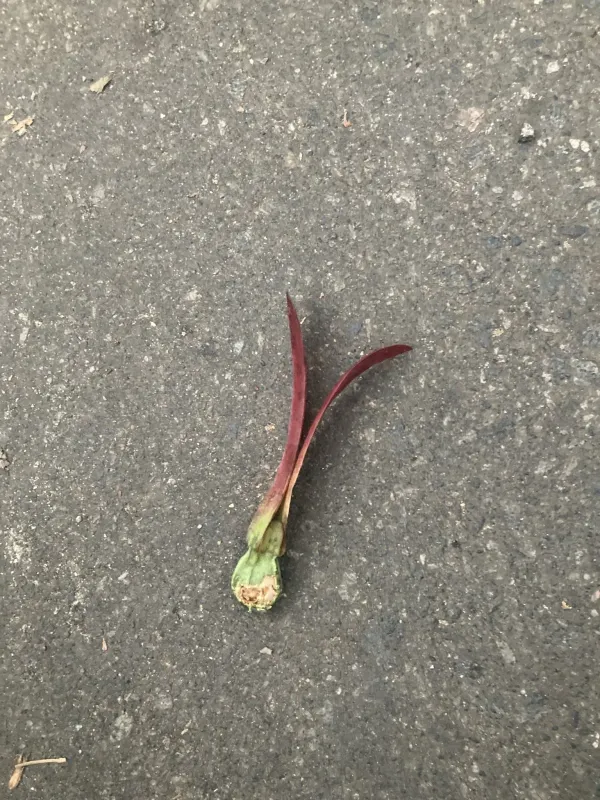
Description
Growing requirements
Ceylon Dipterocarpus, known scientifically as Dipterocarpus zeylanicus, is a prominent member of the Dipterocarpaceae family. It is a majestic tree species endemic to the rainforests of Sri Lanka, known for its significant ecological and timber value.
The culture thrives in tropical rainforest climates characterized by high annual rainfall and consistently warm temperatures throughout the year. It requires a humid atmosphere to support its vigorous vegetative growth cycles.
Regarding soil, the species prefers deep, well-drained loamy soils. It performs best in alluvial zones where nutrient availability is high, though it shows remarkable resilience across various soil types found in its native humid forest habitats.
Botanically, the tree is distinguished by its straight, cylindrical bole and a spreading crown. Its leaves are broad and leathery, structurally adapted to capture intense sunlight while minimizing water loss through evapotranspiration in the tropical canopy.
The primary agricultural and industrial application of this species is timber production. Its wood is highly valued for construction, joinery, and furniture making due to its high density, strength, and natural durability against environmental stress.
Main diseases and pests
The survival of Dipterocarpus zeylanicus is primarily threatened by habitat fragmentation. As land is cleared for agricultural expansion and infrastructure, the connectivity of native forest stands is severely impacted, reducing natural regeneration.
Common pests include various stem-boring insects that target weakened trees. These pests can cause significant structural damage to the timber quality if the tree's defensive physiological processes are compromised by environmental stress.
Fungal diseases are a risk factor, particularly in nursery settings or areas with poor air circulation. Root rot pathogens can proliferate in waterlogged soils, necessitating proper land management to ensure adequate drainage during the seedling stage.
Preventative management is essential for long-term health. This includes regular silvicultural inspections to detect early signs of infestation and ensuring that forest thinning is performed to allow adequate airflow between canopy layers.
Integrated pest management strategies are preferred over chemical treatments. By maintaining a balanced forest ecosystem, the tree's natural predators can often keep pest populations below the threshold that causes economic damage.