
Dipterocarpus alatus
Dipterocarpus alatus Roxb. ex G. Don
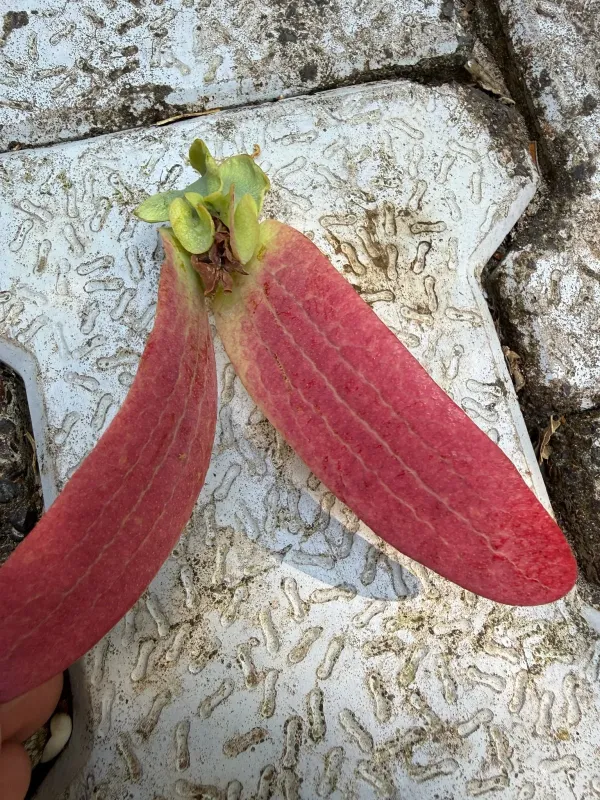
Description
Growing requirements
Dipterocarpus alatus is a majestic evergreen tree belonging to the Dipterocarpaceae family. Native to Southeast Asia, it is highly valued for its massive size and the high-quality timber it produces in native rainforest ecosystems.
The species thrives in humid tropical climates where temperatures remain high throughout the year. It is typically found in lowland areas, often bordering rivers and streams, thriving in environments with consistent rainfall patterns.
For cultivation, the tree requires deep, well-drained alluvial soil that is rich in organic matter. Proper soil structure is essential for root development, and while the tree is moisture-tolerant, it does not flourish in stagnant, waterlogged conditions.
The culture is noted for its rapid initial growth rate, provided it receives sufficient sunlight. In plantation settings, management focuses on ensuring adequate spacing to prevent competition for light and soil nutrients during the early stages of establishment.
Economically, Dipterocarpus alatus is significant for its timber, which is used in construction and cabinetry, as well as for the extraction of 'Gurjun' oil, a resin used in traditional medicine and industrial applications.
Main diseases and pests
In nursery environments, seedlings are susceptible to fungal diseases such as leaf spots and damping-off, which are exacerbated by high humidity and poor air circulation among young plants.
Defoliating insects, including various moth larvae, represent a significant threat to young plantations, as they can quickly reduce the leaf surface area and stunt the growth of the saplings.
Boring insects, such as beetles, pose a risk to mature trees, especially when the plants are stressed by environmental factors like prolonged dry seasons or mechanical damage to the trunk.
Root rot caused by soil-borne pathogens can occur if the drainage in the plantation site is insufficient, leading to poor tree health and potential mortality during the transition from the nursery to the field.
Integrated pest management strategies are crucial for sustainable production, emphasizing regular monitoring, the use of disease-resistant genetic stock, and the maintenance of soil health to keep the trees robust.