
Dipterocarpus turbinatus
Dipterocarpus turbinatus C. F. Gaertn.
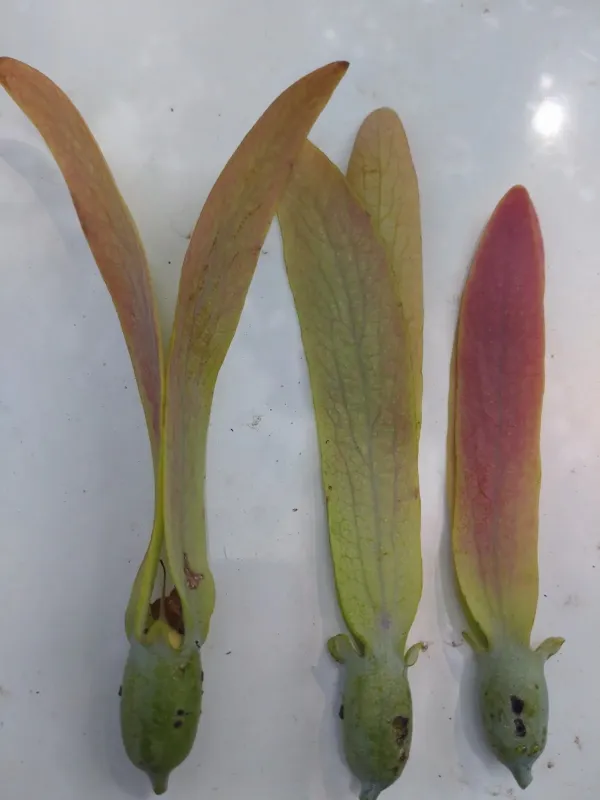
Description
Sowing dates
Propagation of this crop in both natural and managed forest conditions is primarily achieved through seeds. Freshly collected seeds have a very short lifespan and limited ability to be stored, so sowing must occur immediately after harvesting, which usually coincides with the onset of the rainy season.
For nursery germination, well-drained substrates are used to maintain high humidity and stable temperatures. Seeds are sown at a shallow depth, covered by a light layer of soil or organic mulch, which mimics the forest floor and protects them from desiccation.
Once seedlings reach a height of 30–50 cm, they are transplanted into permanent locations within forests or managed plantations. Proper spacing is crucial, given the potential for the mature tree to reach heights of 40–50 meters.
Young plants require regular monitoring of root health and protection against weed competition during the first 2–3 years of establishment. Intensive care during these early stages significantly increases the survival rate in harsh tropical environments.
In its natural habitat, Dipterocarpus shows a robust capacity for natural regeneration beneath the forest canopy, but large-scale production relies on active, human-managed reforestation programs.
Growing requirements
Dipterocarpus turbinatus is a tropical species with strict environmental requirements. The optimal habitat for its development consists of moist tropical evergreen forests, characterized by an annual rainfall exceeding 2000 mm.
The tree prefers deep, fertile, and well-drained soils, typically with a loamy or sandy-loam texture. Consistent moisture availability is vital; however, waterlogging in the root zone must be avoided as it promotes the development of various fungal diseases.
While the plant is light-demanding, it can tolerate moderate shade during its juvenile phase. As it matures, it moves to dominate the upper forest canopy, requiring ample vertical space to develop a straight, massive trunk.
The temperature must remain consistently warm throughout the year without sharp fluctuations. It does not tolerate freezing temperatures, as it is strictly adapted to sub-equatorial climate zones.
Adequate depth of the water table is necessary to support the extensive root system during brief, periodic dry spells that may occur within its natural distribution range.
Yield
The primary economic value of Dipterocarpus turbinatus lies in its high-quality timber, globally known in the trade as Gurjan. The harvest cycle for commercial timber typically spans 60 to 80 years until the trees reach technical maturity.
In addition to timber, the tree is a significant source of oleoresin (wood oil/balsam), harvested through a tapping process on the trunk. The yield of this resin varies based on the tree's age, its general health, and the specific regional climate.
Yield volumes per hectare in plantation settings can significantly outperform natural stands if intensive silvicultural management is applied. Nevertheless, the investment requires long-term planning due to the tree's steady, rather than rapid, rate of radial growth.
The wood is highly valued for its density, strength, and natural resistance to rot. It is widely utilized in the furniture industry and for heavy construction projects that require long-lasting structural materials.
Sustainable management involves a dual-purpose strategy: carefully tapping the resin without compromising the long-term structural integrity of the timber intended for future harvest.
Main diseases and pests
Major threats to Dipterocarpus plantations include insect pests, specifically various types of stem-borers that can severely damage the wood of both young and mature trees, compromising their structural value.
Fungal infections pose a substantial risk when silvicultural practices are neglected, particularly in conditions of poor drainage or mechanical bark damage. Root rot can lead to the rapid mortality of plantation plots.
Pests that target fruit and seeds effectively limit natural reproduction and nursery output. Regular phytosanitary inspections are necessary to detect and contain infestations early in the cycle.
Anthropogenic pressure, including illegal logging and irresponsible resin extraction, causes significant damage to the trees' physiological state. Stressed trees often become susceptible to secondary infestations.
Biotic competition from fast-growing invasive plant species can hinder the development of young Dipterocarpus trees, necessitating active weed management during the plantation establishment phase.