
Dipterocarpus costatus
Dipterocarpus costatus C. F. Gaertn.
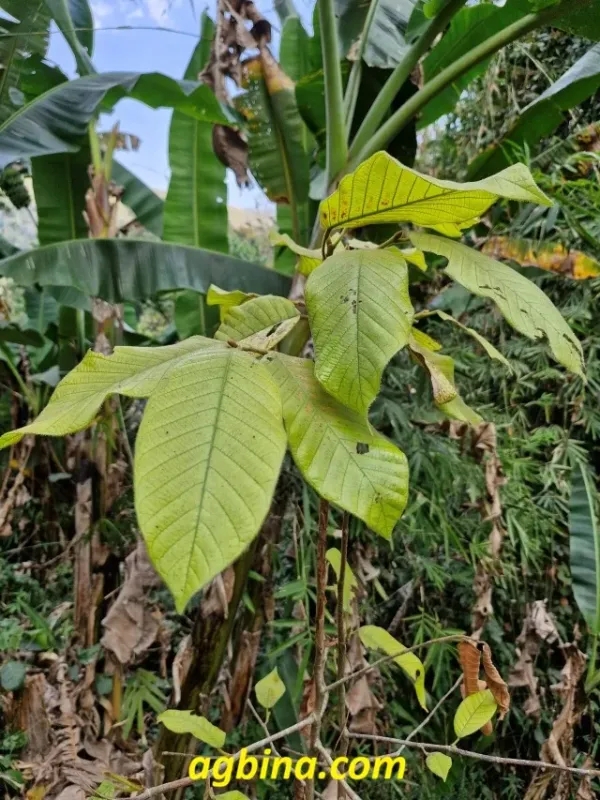
Description
Growing requirements
Dipterocarpus costatus is a significant tree species belonging to the Dipterocarpaceae family. Native to the tropical regions of Southeast Asia, this species is highly valued for its towering height and massive, straight trunks that form the canopy of primary forests.
The cultivation of this species requires a specific tropical environment with deep, well-drained, nutrient-rich soils. It thrives in regions characterized by high annual precipitation and minimal temperature variations, ensuring a consistent growth rate throughout the year.
Regarding silviculture, proper site selection is paramount. The tree prefers valley bottoms or lower slopes where moisture accumulation is optimal, yet natural drainage prevents waterlogging. Exposure to direct sunlight is essential for mature specimens to develop their characteristic high-density wood.
Seed germination techniques involve immediate sowing after harvesting, as the seeds have recalcitrant properties and lose viability rapidly. In nursery conditions, shading is often provided during the first few months to ensure successful establishment and root development.
The economic utility of the species is primarily based on its timber, which is classified as a medium-hardwood. It is extensively used in local construction, high-end furniture manufacturing, and flooring due to its stability and resistance to environmental stress.
Main diseases and pests
The primary threats include fungal decay caused by Phytophthora species in waterlogged soil conditions. Additionally, infestation by wood-boring beetles poses a risk to the quality of the timber, requiring integrated pest management strategies in managed forests.