
Dipterocarpus grandiflorus
Dipterocarpus grandiflorus (Blanco) Blanco
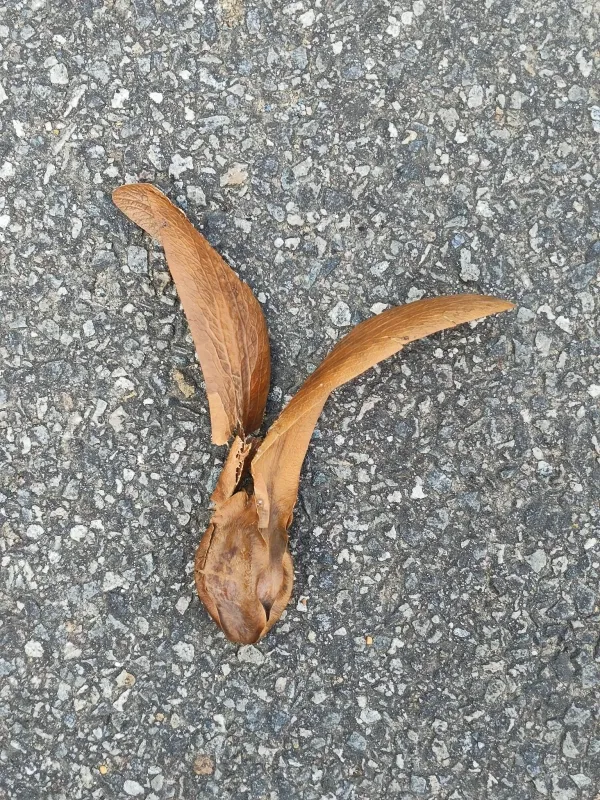
Description
Growing requirements
Dipterocarpus grandiflorus is a massive evergreen tree species belonging to the family Dipterocarpaceae. It is one of the most prominent canopy species found within the tropical rainforests of Southeast Asia, known for its significant height and commercial value.
The species naturally occurs in regions characterized by humid tropical climates, including the Philippines, Malaysia, and Indonesia. It requires a constant high temperature and significant annual rainfall, making it unsuitable for cultivation outside of equatorial zones.
Optimal growth is achieved in deep, well-drained alluvial or loamy soils. The species is highly sensitive to soil compaction and waterlogging, necessitating excellent drainage for root development and overall vitality.
As a forest-forming tree, it is an essential part of the ecosystem, providing habitat for numerous organisms. In silvicultural practices, it is valued for its rapid vertical growth, which helps in establishing the upper forest structure relatively quickly.
Economic applications are centered around its high-quality timber, which is robust and resistant to many forms of decay. Beyond timber, the tree is traditionally used for resin extraction, a valuable secondary product in the regional chemical and paint industries.
Main diseases and pests
The species faces severe threats from widespread deforestation and habitat fragmentation, which drastically reduce its natural range. The loss of mature mother trees significantly limits natural regeneration and genetic diversity.
Pathogenic threats include various root rots caused by soil-borne fungi, especially in plantations where water management is inadequate. Insect pests, such as wood-boring beetles, can significantly degrade the quality of the timber, impacting economic returns.