
Kashmir cypress
Cupressus cashmeriana
Description
Growing requirements
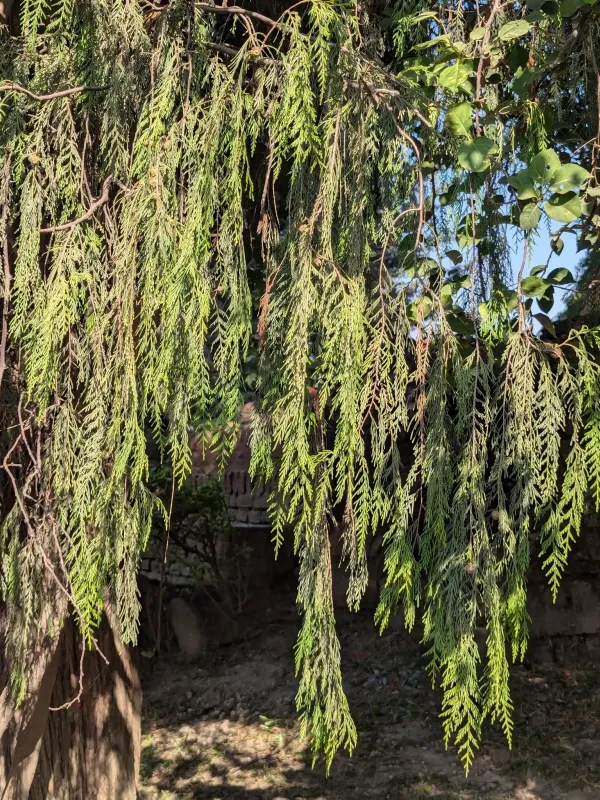
The Kashmir cypress (Cupressus cashmeriana) is a majestic evergreen tree belonging to the Cupressaceae family. It is widely recognized for its stunning, pendulous branches and delicate, bluish-green foliage that creates an elegant silhouette.
Native to the Himalayan regions, this tree thrives in moderate, subtropical climates. It is best suited for environments with high humidity and mild winters, as it lacks significant frost tolerance compared to other cypress species.
Optimal growth requires well-drained, fertile soil that is slightly acidic to neutral. Ensuring the soil does not retain excessive moisture is vital, as root rot is a common issue in waterlogged sites.
Cultivation practices involve selecting a location protected from harsh, drying winds and providing consistent, moderate irrigation. Mulching the root zone helps maintain the required soil moisture levels throughout the growing season.
In terms of land use, it is primarily an ornamental species. It is frequently utilized in high-end landscape design for gardens and parks where a unique, cascading architectural feature is desired.
Main diseases and pests
Kashmir cypress is susceptible to several fungal diseases, most notably Phytophthora root rot, which is often induced by overwatering and poor drainage conditions.
Common pests include spider mites and scale insects, which can severely stress the tree by feeding on the sap, causing foliage discoloration and thinning.
To maintain tree health, it is essential to monitor for signs of infestation and perform regular sanitation by removing dead or diseased branches to promote air circulation.
Integrated pest management strategies, including the use of horticultural oils and systemic fungicides, are recommended when infestations reach critical levels.
Maintaining balanced soil fertility through appropriate fertilizing programs prevents nutrient deficiencies that make the tree more susceptible to secondary environmental stressors.