
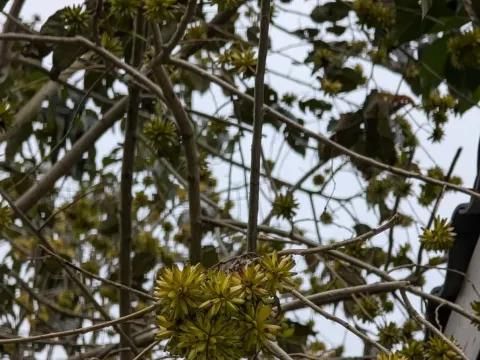
Camptotheca
Camptotheca Decne.
Sowing of Camptotheca seeds is carried out in the spring period when the soil warms up to optimal temperatures, ensuring uniform germination. In commercial production, a nursery method is often used, allowing controlled development of young seedlings in protected conditions before transplantation to the field.
What the section contains


Camptotheca
Seeds require mandatory stratification before sowing, as they possess a pronounced state of dormancy. It is recommended to keep the seeds in a moist environment at low positive temperatures for 30 to 60 days to significantly increase the germination rate.
The sowing depth is 1 to 2 centimeters in a light, nutrient-rich substrate. It is crucial to ensure regular surface moisture while avoiding waterlogging, which can lead to seed rotting before sprouting.
Transplanting seedlings to open ground occurs when they reach sufficient resilience, usually in late spring or early summer. The spacing between plants should be at least 2 to 3 meters, taking into account the tree's intensive growth in subsequent years.
The growth rate of the culture in the first years of life can be moderate; therefore, it is vital to keep the inter-row areas clean from weed vegetation, which competes with and suppresses the young root system of the Camptotheca.
Camptotheca is a heat-loving plant originating from the subtropical forests of China. For normal growth and the accumulation of biologically active substances, the crop requires a stable, warm climate without sharp temperature fluctuations or severe frost during the growing season.
The plant prefers deep, fertile, well-drained loamy soils. The optimal pH range for the soil is slightly acidic to neutral, which favors the development of a robust and healthy root system.
The crop places high demands on air and soil humidity levels. In regions with dry summers, the implementation of drip irrigation or regular overhead watering is an essential agricultural requirement to maintain leaf turgor and metabolic activity.
For planting, areas protected from cold winds with good sun exposure should be selected. Although Camptotheca can tolerate light shade, maximum biomass productivity is achieved in open, sunny locations.
An important success factor is the application of organic and mineral fertilizers, especially nitrogen-rich components during the first half of the vegetation period, which stimulates active growth of green biomass containing the key target alkaloid.
The main harvest product of Camptotheca is the vegetative biomass: leaves, stem bark, and seeds. These parts contain camptothecin, a unique alkaloid widely used in the pharmaceutical industry to develop anti-cancer medications.
Biomass yield depends on plant density and the age of the plantation. In industrial settings, regular pruning is practiced to form a bush-like habit, allowing for mechanized harvesting of leaf material multiple times per season.
The biochemical composition of the plant varies depending on growing conditions. Studies show that the concentration of active substances increases when the plant is subjected to certain stress factors, which is considered when developing intensive farming protocols.
Raw material harvesting begins after the plants reach 3 to 5 years of age. With proper maintenance, the plantation can be exploited for many years, providing a stable annual yield of dry plant material.
Harvest efficiency is determined by the quality of subsequent drying and raw material processing. The moisture content of harvested leaves must be reduced to a minimum in the shortest time possible to prevent the degradation of active compounds by enzymes.
Camptotheca generally has strong immunity, but under improper agricultural practices, it may be subject to specific pest attacks. In high-humidity conditions, fungal infections affecting the leaf blades can occur.
Main pests of the crop include aphids and various leaf-eating insects. For plantation protection, it is recommended to use integrated pest management methods, minimizing the use of harsh pesticides that could affect the pharmacological quality of the raw material.
Root rot is the most dangerous threat, often resulting from water stagnation in the rhizosphere zone. Prevention lies in ensuring high-quality drainage and adhering to an irrigation regime consistent with the tree's growth phases.
To maintain the health of the culture, regular monitoring of the plantation is required. Timely removal of affected tree parts helps stop the spread of infections and preserves the overall productivity of the plot.
- Regular ventilation of the plantation areas.
- Sanitary pruning of dead or diseased branches.
- Weed control to eliminate host plants for pests.
- Use of mulching to prevent leaf contact with damp soil.
Harvesting Camptotheca is a specialized process. Leaves are collected manually or by mechanized means during their period of maximum biological maturity, when camptothecin concentration peaks before natural leaf fall.
Stem bark is also a valuable source of raw material. Its collection is carried out during sanitary or rejuvenation pruning of plants, allowing for the rational utilization of all tree biomass components obtained during the plantation's maintenance.
Seeds are harvested after full ripening, indicated by a change in fruit color. After harvest, seeds undergo cleaning from the pericarp and careful drying before being sent to processing plants for alkaloid extraction.
The entire harvesting process must be accompanied by strict control over raw material storage conditions. It is unacceptable to keep harvested material in the sun or in high humidity for long, as this leads to the loss of valuable chemical components.
Post-harvest logistics must be structured so that primary processing (milling, drying) begins within a few hours after harvest, ensuring maximum stability of the target pharmacological compounds.