
Alangium ridleyi
Alangium ridleyi
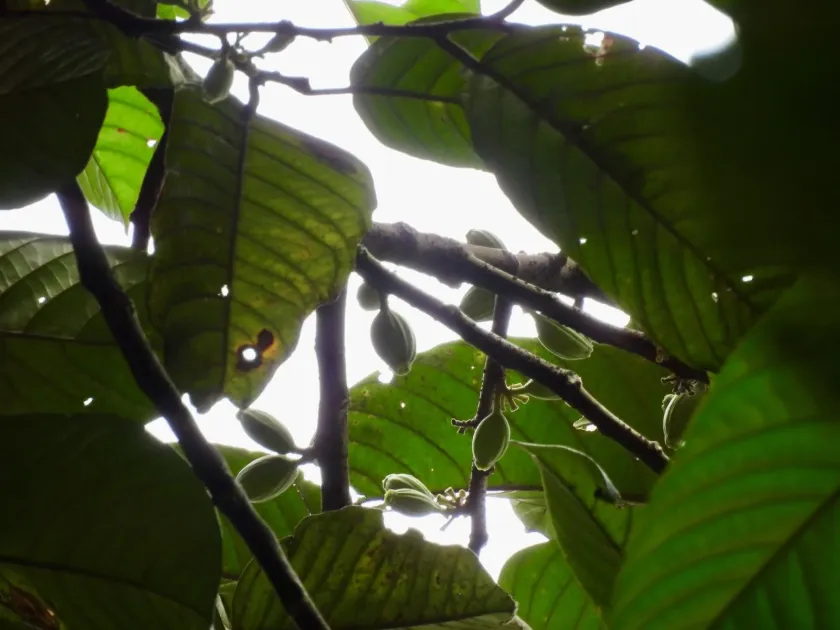
Description
Growing requirements
Alangium ridleyi is a tree species belonging to the Cornaceae family, native to the tropical rainforests of Southeast Asia. It is valued for its unique botanical structure and potential medicinal properties.
The cultivation of this plant requires a tropical environment with constant temperatures and high humidity levels. It thrives in shaded or semi-shaded areas, mimicking the natural understory conditions of its original habitat.
Optimal soil conditions include rich, well-draining, and slightly acidic substrates. Ensuring proper aeration at the roots is vital for the development of healthy root systems, as the plant is susceptible to waterlogging.
Agricultural management focuses on providing consistent moisture without saturation. Regular application of organic fertilizers can support vegetative growth and maintain the health of the tree throughout its life cycle.
Beyond its botanical interest, Alangium ridleyi is traditionally recognized for its therapeutic uses. Research into its chemical components, particularly alkaloids, continues to highlight its importance in botanical studies.
Main diseases and pests
Fungal infections remain the primary threat to this species, particularly when humidity levels are excessively high or air circulation is insufficient within the canopy.
Pests such as mites and mealybugs can pose a significant challenge, especially in nursery or enclosed environments where natural predators are absent.
Root rot is the most common cause of plant loss, often resulting from improper watering practices or inadequate soil drainage. Preventive measures involve precise irrigation control.
Leaf-eating insects can cause aesthetic and physical damage during the growing season, necessitating integrated pest management strategies to protect the foliage.
Maintaining strong plant health through balanced nutrition and proper environmental control is the most effective defense against the spectrum of pathogens that affect this tropical tree.