
Alangium meyeri
Alangium meyeri
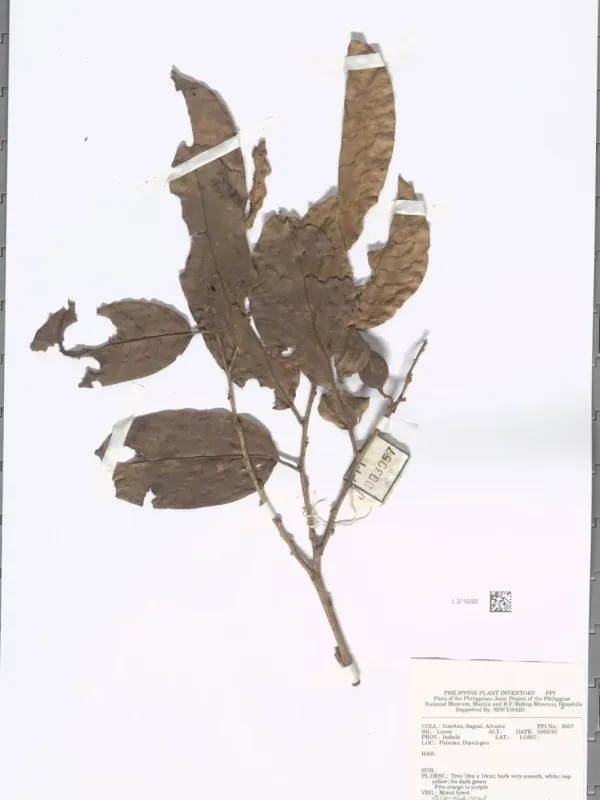
Description
Growing requirements
Alangium meyeri is a distinctive woody plant classified within the Cornaceae family. Native to the humid forests of Southeast Asia, specifically the Philippines, it thrives in warm environments characterized by high annual precipitation and consistent ambient temperatures throughout the year.
The cultivation of this species requires well-drained, nutrient-rich soils that retain moisture without becoming waterlogged. Ideal sites for this plant are locations that mimic the understory conditions of tropical rainforests, providing protection from direct, intense sunlight and strong winds.
Morphologically, Alangium meyeri is distinguished by its alternate foliage and small, axillary flowers that typical of the genus. Its growth habit is typically that of a small to medium-sized tree, which plays a supporting role in the biodiversity of its natural forest ecosystem.
Agricultural management of the species emphasizes the maintenance of soil fertility and adequate irrigation during dry spells. As a tropical plant, it has zero tolerance for frost, requiring consistent warm conditions, which limits its geographical range of commercial cultivation to tropical regions.
Economically, the plant is of interest for its potential pharmacological applications. Chemical studies have identified various alkaloids within the plant, positioning it as a subject for research into bioactive compounds, which supports its preservation and study in botanical and agricultural research institutions.