
Terminalia petiolaris
Terminalia petiolaris
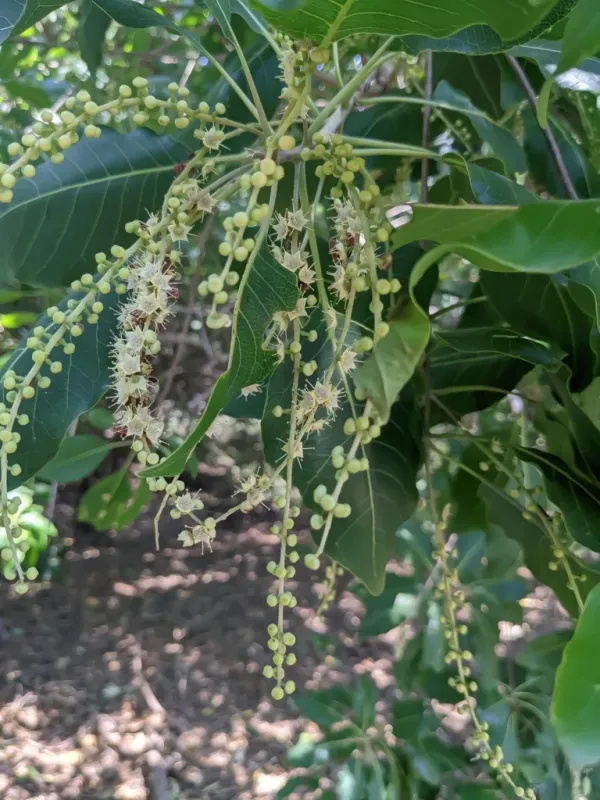
Description
Growing requirements
Terminalia petiolaris is a prominent tree species belonging to the Combretaceae family, widely recognized for its robust growth and structural adaptability. In its native habitats, it typically develops a large, spreading canopy, providing shade and wind protection.
The species originates from the tropical regions of Australia, where it has evolved to thrive in environments with distinct seasonal rainfall patterns. This adaptation makes it a resilient choice for agroforestry in arid and semi-arid tropical climates.
Regarding soil requirements, Terminalia petiolaris favors well-drained, porous soils. It performs best in sandy loams where water infiltration is efficient, as standing water can lead to root degradation and restricted growth.
The species is highly light-demanding. Optimal cultivation necessitates planting in open areas with full sun exposure to maintain high metabolic activity and ensure steady biomass production throughout the growth cycles.
In terms of agricultural utility, this tree is valued for its durable wood, which is utilized in local carpentry and construction. Additionally, it serves as a critical component in ecological restoration projects aimed at soil stabilization.
Main diseases and pests
Primary threats to the health of Terminalia petiolaris include various wood-boring insects and foliage-feeding caterpillars that can significantly affect young, vulnerable saplings during their establishment phase.
Pathogenic fungi, such as those causing leaf spot or root rot, represent a risk primarily in areas with poor drainage or insufficient airflow within the canopy, leading to a build-up of excess humidity.
Effective management strategies include maintaining appropriate spacing between trees to improve air circulation and regular field scouting to identify early signs of localized infestations or fungal outbreaks.
Preventative care is essential, as trees damaged by insects are often more susceptible to secondary viral or bacterial infections that can weaken the structural integrity of the wood.
Overall, the species possesses significant natural resistance to common pathogens, provided that site selection and planting densities are optimized to meet its physiological needs.