
Terminalia oblongata
Terminalia oblongata
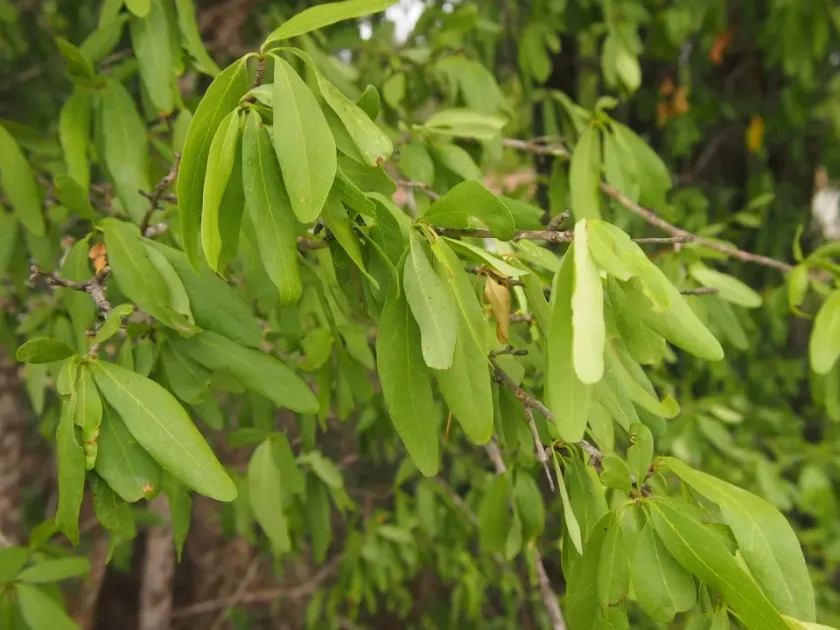
Description
Growing requirements
Terminalia oblongata is a prominent species within the Combretaceae family, native primarily to the tropical regions of Australia. This woody plant is well-adapted to savanna-like landscapes and open woodlands where it competes successfully for resources.
The species requires a climate with high temperatures and adequate sunshine to thrive. It performs best in soils that offer excellent drainage, such as sandy loams, which prevent the root system from becoming waterlogged during intense rainfall seasons.
Regarding its botanical profile, the tree typically exhibits a moderate growth rate and distinct oblong leaves, which provide a dense canopy. Young plants require consistent watering to establish a strong root structure before they can tolerate deeper seasonal droughts.
Agricultural management of this crop involves maintaining soil fertility through organic amendments, as the tree appreciates nutrient-rich environments. Pruning is often necessary to shape the canopy and improve air circulation, reducing the risk of internal moisture buildup.
The economic value of this plant is multifaceted, ranging from its pharmacological properties due to specific tannins to its role in sustainable agroforestry. Its wood quality and hardiness make it a versatile candidate for restoration projects in tropical climates.
Main diseases and pests
The tree is susceptible to several foliage pests, including various species of caterpillars and aphids during the spring growth flush. Fungal pathogens can also pose a risk if the surrounding environment lacks adequate air movement or if soil drainage is compromised.