
Terminalia myrtifolia
Terminalia myrtifolia
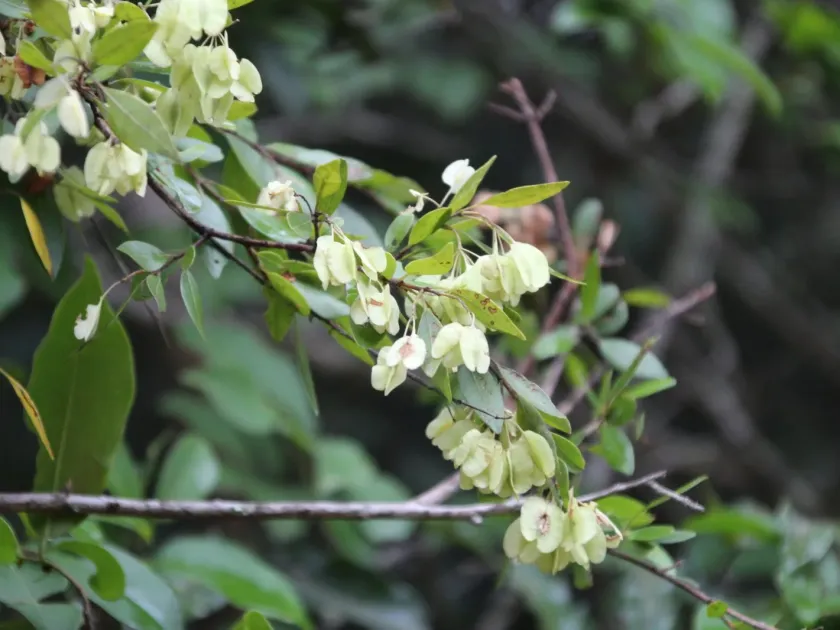
Description
Growing requirements
Terminalia myrtifolia is a tropical tree species belonging to the Combretaceae family. Native to the ecosystems of South America, this plant is well-adapted to high-temperature tropical environments where moisture is consistently available.
The culture thrives in deep, fertile soils that provide adequate drainage. It is critical to ensure that the site does not experience waterlogging, as the species is sensitive to root rot when exposed to stagnant water conditions for prolonged periods.
Optimal growth is observed in climates with high annual rainfall and minimal thermal fluctuations. The tree requires full sun exposure to maintain vigorous vegetative growth and to develop a straight and robust main stem.
Silvicultural management includes periodic weeding around young saplings and the application of fertilizers to correct any nutrient deficiencies in the substrate, ensuring high rates of biomass accumulation.
The species exhibits strong adaptability to its native range but requires careful management when introduced to plantation settings, particularly regarding the prevention of soil compaction.
Harvesting
The economic value of Terminalia myrtifolia is primarily derived from its high-quality timber. Harvest cycles are determined based on the target diameter of the trunk, which usually requires several years of growth in managed plantations.
Sustainable harvesting practices are essential to maintain the long-term productivity of the plantation. Selective harvesting helps balance the density of the canopy and supports the growth of younger, vigorous trees in the stand.
The timber is widely appreciated in the woodworking industry for its density and durability. Proper post-harvest treatment, including drying and curing, is necessary to ensure the longevity of the finished wood products.
In addition to timber, the bark and leaves of this genus are often researched for their chemical properties, specifically the high content of tannins used in industrial leather tanning processes.
Effective management also involves continuous monitoring of the health status of the remaining trees to detect any signs of stress or pathogen infiltration after the main harvest event.