
Terminalia myriocarpa
Terminalia myriocarpa
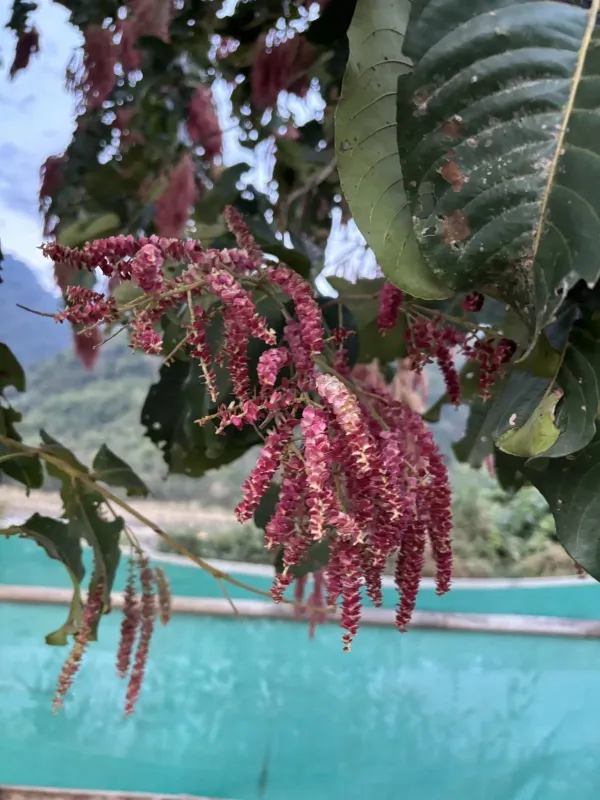
Description
Sowing dates
The propagation of Terminalia myriocarpa begins with the careful selection of viable seeds, which germinate best under controlled light and humidity. Sowing is typically performed in prepared nursery beds filled with well-draining, nutrient-rich organic substrate.
Ideally, seeds should be sown at the onset of the rainy season to benefit from natural moisture levels and stable warm temperatures. Seeds are lightly covered with a thin layer of soil, as deep burial can inhibit the germination process of these small seeds.
Seedlings should be pricked out into individual containers once the first true leaves have fully developed. This stage is crucial for developing a strong taproot system, which ensures the young tree will be resilient after field transplanting.
Transplanting into the permanent site should occur once the saplings reach a height of 30 to 50 centimeters. Maintaining appropriate spacing is essential to ensure that every tree has enough room for optimal crown development and root expansion.
Consistent monitoring of soil moisture during the first few months post-transplant is vital. While the species loves moisture, preventing waterlogging in the root zone is necessary to ensure healthy establishment in the plantation.
Growing requirements
Terminalia myriocarpa is a fast-growing deciduous tree belonging to the Combretaceae family. It is native to the lower Himalayas and parts of Southeast Asia, where it thrives in lush, mountainous terrain.
This tree requires a tropical climate with high annual rainfall, ideally exceeding 2000 mm. It performs best in regions where temperatures remain warm throughout the year, with no danger of frost or extreme heat spikes.
Regarding soil, the species prefers deep, well-draining alluvial soils that are rich in organic matter. Slightly acidic loamy soils are considered optimal for maximizing the growth rate and structural integrity of the trunk.
The tree is strictly heliophilic, meaning it requires full sun exposure to reach its maximum potential. On plantations, shading by other taller species should be strictly avoided to prevent the development of crooked or weak trunks.
Proper silvicultural management involves periodic application of fertilizers during the tree's formative years. Additionally, regular pruning of side branches helps in producing clean, straight timber, which is highly valued for commercial use.
Yield
Terminalia myriocarpa is highly valued primarily for its versatile timber, which is widely utilized in various sectors. The wood is moderately dense, relatively easy to work with, and takes polish very well.
Commercial applications include the manufacture of high-quality furniture, flooring, and interior finishings. The wood's aesthetic appeal and durability make it a sought-after commodity in the global lumber market.
Beyond timber, the bark of this tree is known for its high tannin content, making it an excellent resource for the leather tanning industry. This dual-use capability increases the economic value of the tree across different stages of maturity.
In forest ecosystems, the tree serves as a vital component for soil protection and carbon sequestration. Its fast growth rate allows for a quicker turnover in managed plantations compared to many traditional hardwood species.
Success in yield optimization relies on maintaining a healthy plantation canopy and adhering to sustainable harvest cycles. With appropriate care, Terminalia myriocarpa can provide consistent harvests that are both profitable and ecologically sustainable.
Main diseases and pests
The main threats to Terminalia myriocarpa involve fungal infections that tend to thrive in high-humidity tropical environments. If detected, prompt removal of infected branches is necessary to prevent the spread of disease.
Insect pests, including defoliators and wood-boring insects, can cause significant damage to young plantations. Integrated pest management strategies, such as biological control and habitat maintenance, are recommended to minimize losses.
Competition from aggressive weeds and invasive grasses during the sapling stage can severely stunt the growth of the trees. Regular weeding and maintaining a clean area around the base of the trunk are essential practices.
Physical damage to the bark or trunk can act as an entry point for secondary pathogens. Workers must exercise caution during maintenance tasks to avoid unnecessary scarring or injury to the trees.
Overall, maintaining the tree's vigor through optimal nutrition and water management significantly boosts its innate resistance to common threats, making the plantation more resilient to local pests and diseases.