
Terminalia mollis
Terminalia mollis
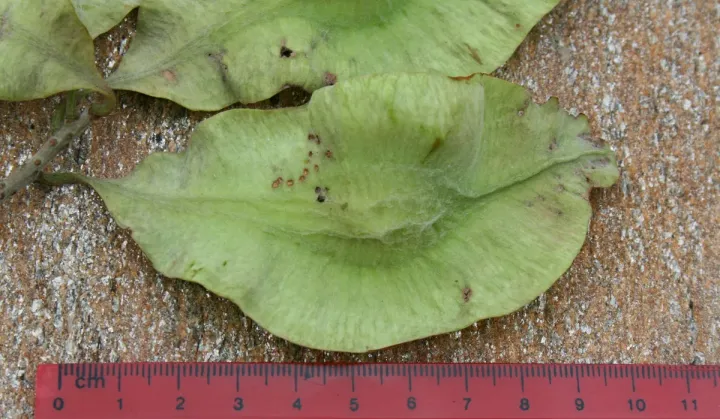
Description
Growing requirements
Terminalia mollis is a significant woody plant belonging to the Combretaceae family. Known for its distinct soft, velvety pubescence on its leaves and young branches, it is a tree that thrives in diverse African landscapes, ranging from savanna woodlands to deciduous forests.
This species is native to tropical Africa, showing a wide distribution across the continent. It has evolved to survive in regions characterized by distinct dry and wet seasons, making it a highly resilient candidate for reforestation and ecosystem restoration projects.
The tree requires well-drained soils and thrives in locations with full sunlight exposure. It is highly adapted to tropical heat and possesses a remarkable capacity to tolerate prolonged dry spells, which is essential for survival in its natural habitat.
Agrotechnical management focuses on allowing sufficient spacing for the tree to reach its full canopy potential. Given its slow to moderate growth rate, early weed management and soil moisture conservation during the establishment phase are critical for healthy development.
The economic and cultural uses of this plant are diverse. Its bark is widely recognized in traditional medicinal practices for its antimicrobial and anti-inflammatory properties. Furthermore, the tree is a valuable source of fuel wood and provides ecosystem services like soil binding and shade.
Main diseases and pests
The plant can be susceptible to various fungal infections, particularly leaf spot diseases that develop in stagnant, humid environments. Maintaining proper air circulation within the canopy is a standard preventive measure against these threats.
Pest threats include wood-boring insects that may target trees suffering from physiological stress. Regular monitoring for signs of infestation in the bark and wood is advised to maintain the health and longevity of the trees in a cultivation setting.