
Terminalia melanocarpa
Terminalia melanocarpa
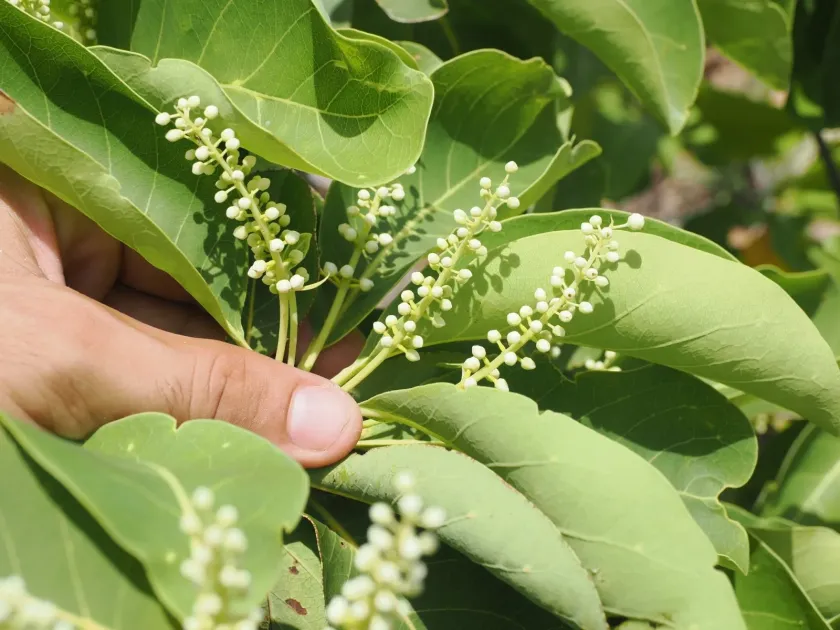
Description
Growing requirements
Terminalia melanocarpa is a significant species belonging to the Combretaceae family. Native to tropical regions, this tree is well-adapted to coastal and forest environments, displaying robust growth characteristics.
The plant requires high average temperatures throughout the year to thrive, typically ranging from 22 to 32 degrees Celsius. It is highly sensitive to cold spells, which can severely damage young plantations.
In terms of soil requirements, this species performs best in well-drained, nutrient-rich soils. While it shows some tolerance to saline conditions, it prefers soils with a neutral or slightly acidic reaction for optimal nutrient uptake.
Adequate water supply is crucial for Terminalia melanocarpa. Consistent rainfall or controlled irrigation is necessary to support its rapid growth rate and ensure high vitality of the canopy.
The implementation of advanced agricultural practices, such as proper spacing and periodic pruning, helps in maintaining healthy growth and facilitates easier management of the plantation during the developmental stages.
Main diseases and pests
The species is generally hardy, but it remains susceptible to specific fungal pathogens that affect tropical woody plants, particularly when moisture levels remain excessively high for prolonged periods.
Insect pests such as leaf-eating beetles and wood-boring larvae can pose a threat to younger trees. Integrated pest management (IPM) strategies are recommended to monitor these threats and apply targeted interventions.
Viral or bacterial infections are less common but can occur if the local ecosystem is disturbed. Maintaining biodiversity within the plantation helps in natural suppression of potential disease outbreaks.
Weed control in the early years of planting is essential to reduce competition for nutrients. Utilizing mulch can suppress weed growth and also help in retaining soil moisture during the dry season.
Regular inspection of the root system and foliage is vital for early detection of any physiological disorders, ensuring the long-term productivity and health of the crop.