
Terminalia leiocarpa
Terminalia leiocarpa
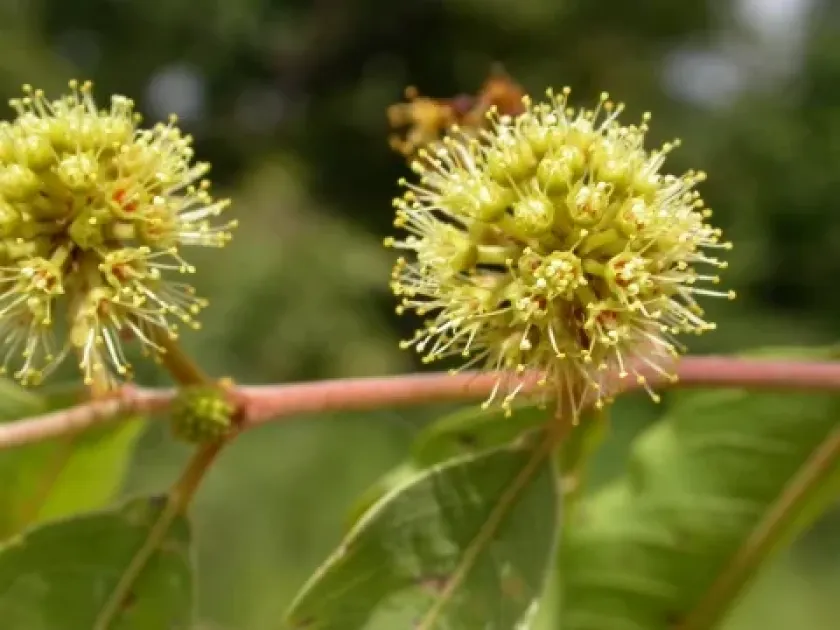
Description
Growing requirements
Terminalia leiocarpa is a prominent tree species belonging to the Combretaceae family. It is native to the savannah and woodland regions of Africa, where it thrives in diverse ecological niches.
The plant is well-known for its adaptation to tropical climates with distinct wet and dry seasons. Its physiological resilience to water stress allows it to maintain productivity even when many other species suffer from drought.
In terms of soil requirements, Terminalia leiocarpa performs best on deep, well-draining soils. While it exhibits great tolerance to nutrient-poor or rocky ground, site preparation remains a vital step for establishing high-yield plantations.
As a light-demanding species, it requires ample space for canopy expansion. This specific requirement makes it an ideal candidate for agroforestry systems where it can serve as both a timber crop and a beneficial shade-provider for understory plants.
The economic value of this tree is primarily rooted in its timber, which is renowned for its strength, hardness, and natural resistance to decay. Additionally, parts of the tree are utilized in artisanal and medicinal applications within local communities.
Main diseases and pests
Fungal leaf spots represent a common concern during the humid seasons. Proper canopy management and air circulation are essential techniques to mitigate the severity of these infections.
Wood-boring insects can cause significant structural damage to the tree trunk. Early identification and the use of integrated pest management strategies are crucial to maintaining the health and value of the timber.
Root rot caused by poor soil drainage remains the most significant threat to the plant's long-term viability. Establishing the plantation on sloped terrain or improving soil porosity is a mandatory agronomical practice.
Herbivory, particularly by rodents and small mammals, can destroy the bark of young saplings. Protective sleeves and regular monitoring of the plantation area are highly recommended for successful establishment.
Maintaining biological diversity within the area helps reduce the pressure of pests and diseases. Avoiding dense, single-species stands ensures that pathogens do not spread rapidly across the entire site.