
Terminalia kuhlmannii
Terminalia kuhlmannii
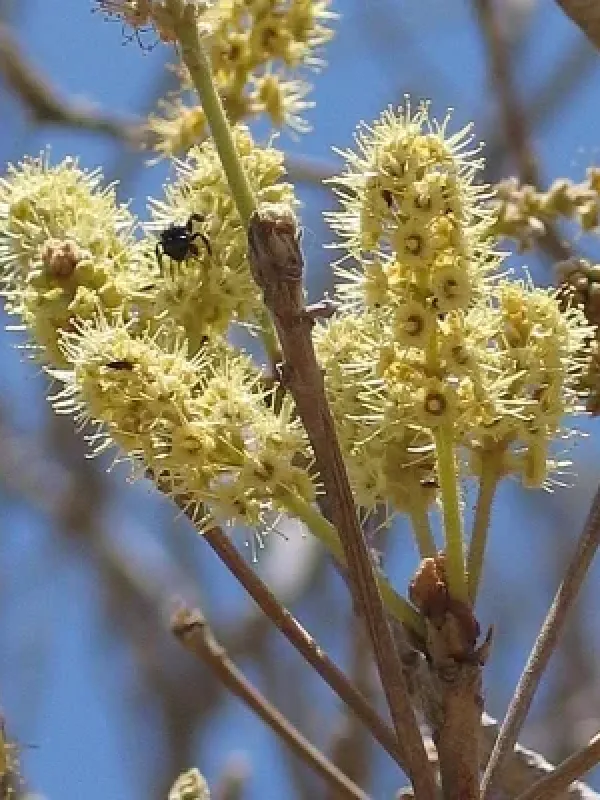
Description
Growing requirements
Terminalia kuhlmannii is a distinguished woody plant species belonging to the Combretaceae family. Originating from the tropical regions of South America, it is an integral part of the local biodiversity within its native range.
The cultivation of this species requires a hot and humid tropical climate. It thrives in environments where precipitation is frequent and distributed throughout the year, ensuring the sustained metabolic activity of the tree.
Regarding soil, Terminalia kuhlmannii demands deep, fertile, and well-drained substrates. Clay-loam soils that facilitate proper root respiration while maintaining necessary moisture levels are considered optimal for its growth.
Botanically, the tree is characterized by a straight, sturdy trunk and a canopy that matures over several decades. It is a heliophilous species, meaning it requires significant exposure to sunlight for its developmental stages.
The primary economic value of this tree lies in its wood quality. It is widely recognized in forestry circles for being a sustainable source of high-grade timber, which is extensively used in local manufacturing and construction industries.