
Terminalia kaernbachii
Terminalia kaernbachii
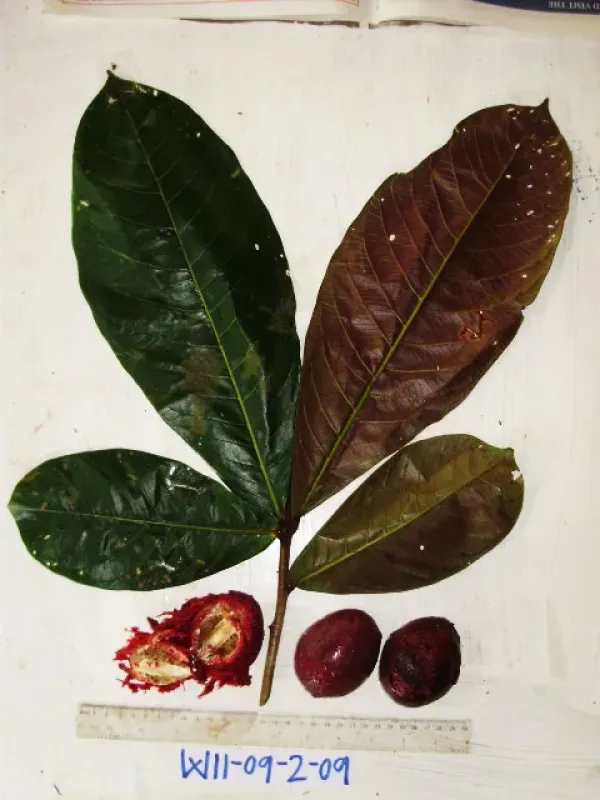
Description
Growing requirements
Terminalia kaernbachii is a tropical tree species belonging to the Combretaceae family, native to the tropical rainforests of Papua New Guinea. This species is highly regarded for its edible seeds, which are a significant food source in its native range.
The tree thrives in tropical climates with high and consistent rainfall. It requires a stable temperature range between 24°C and 30°C and cannot tolerate any frost or prolonged dry spells, making it suitable only for specific tropical zones.
Soil requirements involve deep, fertile, and well-drained conditions. The plant is particularly sensitive to waterlogging, so planting on elevated terrain or ensuring superior soil drainage is essential for healthy root development.
Agricultural management includes regular mulching to maintain soil moisture during the establishment phase of young trees. Providing shade for seedlings is also recommended to protect them from intense tropical solar radiation.
The species serves various purposes, including providing high-quality timber and nutrient-rich nuts. It is often cultivated in agroforestry systems where it can grow alongside other compatible tropical plants.
Main diseases and pests
Fungal diseases affecting the root system are the primary threat to Terminalia kaernbachii. These pathogens often thrive in poorly drained soils, leading to root rot and eventual decline of the tree's health.
Pests such as aphids and various lepidopteran larvae may infest the foliage. Regular monitoring and the application of biological control agents are the preferred methods for managing these infestations in sustainable agriculture.
Leaf spot diseases, caused by moisture-related fungi, can occur during exceptionally humid seasons. Maintaining adequate space between trees ensures sufficient airflow, reducing the risk of fungal spread.
Nematodes in the soil can restrict root nutrient uptake and stunt the growth of young saplings. Soil testing and the use of pest-free potting mixes for nurseries are crucial prevention strategies.
Maintaining high soil fertility and optimal irrigation prevents tree stress. Healthy trees are significantly more resistant to opportunistic pests and diseases, reducing the need for chemical intervention.
Harvesting
The harvesting process begins as the fruits reach maturity and naturally fall to the forest floor. Manual collection is the most effective method, as the trees are typically too tall for large-scale mechanized harvesting.
Once gathered, the fleshy outer layer of the fruit is removed to reveal the hard nut. This pulp can be composted, while the nuts require immediate post-harvest processing to prevent molding.
Drying the nuts in a well-ventilated, shaded environment is vital to reduce moisture content. Proper drying ensures the kernels remain stable and preserves their fatty acid content and overall flavor profile.
After drying, the nuts are graded by size and quality. Strict adherence to storage protocols, including cool and dry conditions, is necessary to keep the kernels free from infestation and oxidation.
The final product is a popular, nutrient-dense snack. Effective harvesting techniques and careful post-harvest handling are essential for ensuring a high-quality product for local and international markets.