
Terminalia glaucescens
Terminalia glaucescens
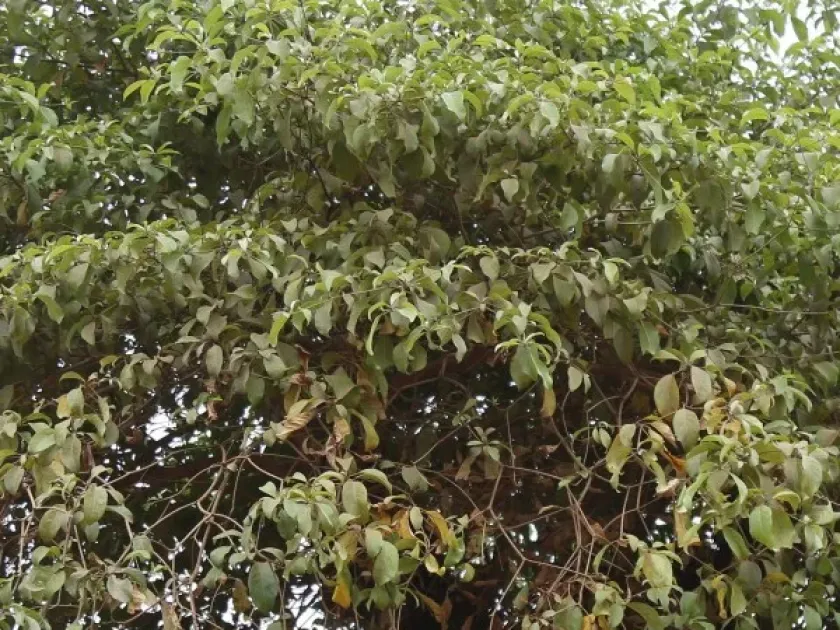
Description
Growing requirements
Terminalia glaucescens is a species of flowering plant in the Combretaceae family, widely recognized for its robust growth and ecological significance within the savanna ecosystems of West and Central Africa.
The plant typically grows as a deciduous tree, often characterized by its greyish bark and leathery leaves. It is remarkably adapted to harsh tropical environments, demonstrating resilience against seasonal droughts and nutrient-poor substrates.
Cultivation requires well-drained sandy or loamy soils to prevent waterlogging, which is detrimental to the tree's health. It thrives in regions with distinct wet and dry periods, utilizing the rainy season for rapid development.
Light availability is a critical factor for the successful establishment of this species. In nurseries, seedlings should receive full exposure to sunlight to develop sturdy stems and a strong root system before being transplanted.
Beyond its ecological value, the tree is a staple in local economies. Its bark is harvested for traditional medicinal purposes due to its high phytochemical content, while the timber is highly valued for durability in carpentry.
Main diseases and pests
Effective pest and disease management is essential to ensure a high-quality yield of medicinal bark and healthy wood production in Terminalia glaucescens plantations.
Fungal infections of the roots, often triggered by prolonged stagnant water in the soil, are the primary biological threat to the health and longevity of these trees.
Pests, particularly wood-boring beetles, represent a significant concern for mature stands. Their activity can severely degrade the wood quality, making it unsuitable for commercial timber use.
Environmental stress, such as extreme heat coupled with moisture deficiency, can lead to localized tissue necrosis, providing entry points for secondary pathogens and opportunistic fungi.
Implementation of integrated pest management (IPM) strategies, including proper plantation density and regular site inspections, remains the most effective method for maintaining healthy populations.