
Terminalia gazensis
Terminalia gazensis
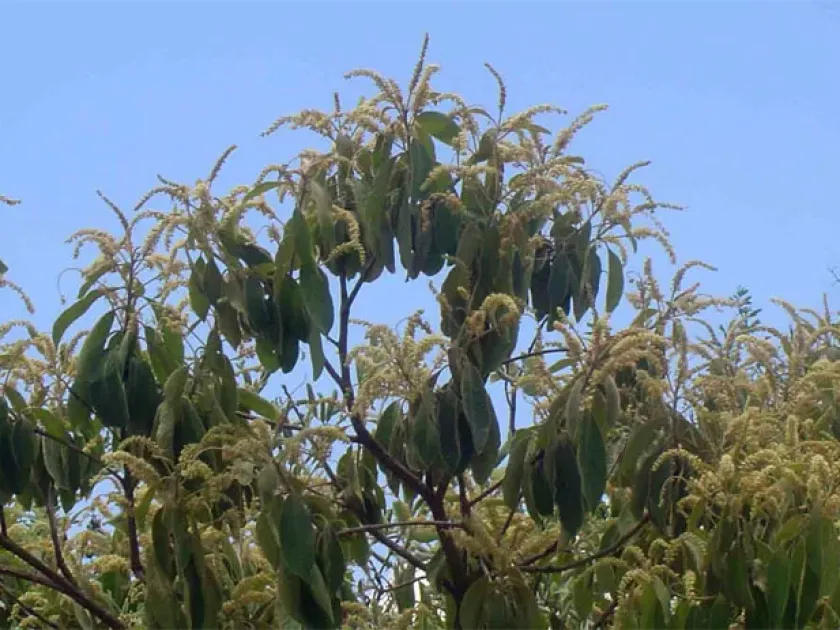
Description
Growing requirements
Terminalia gazensis is a member of the Combretaceae family, native to tropical regions in Africa where it thrives in savannah environments and light woodlands.
The species prefers well-drained soil types, demonstrating a high tolerance for varied landscapes including hillsides, provided there is no long-term waterlogging.
Climate requirements for this plant include consistent tropical or subtropical warmth with distinct cycles of dry and rainy seasons to support its biological life cycle.
Botanically, it is a deciduous tree that manages water loss during dry periods by shedding leaves, an adaptation that ensures its survival in harsh conditions.
Adequate sunlight is essential for the healthy development of its canopy and the proper synthesis of wood components during its rapid growth phase.
Yield
The primary agricultural and forestry use of Terminalia gazensis is for the production of durable timber, which is valued for local construction and furniture making.
Timber yield is optimized by maintaining proper spacing between trees to ensure that each specimen has sufficient access to nutrients and light throughout its lifespan.
The wood is known for its structural integrity and moderate weight, making it a sustainable choice for various traditional and modern carpentry projects.
Management of the crop involves selective harvesting to maintain forest density and support the long-term regeneration of the local stand.
Economic returns depend on the length of the growing cycle, as the wood quality improves significantly with the maturity of the tree over several decades.
Main diseases and pests
The species faces threats from various fungal pathogens that can affect the trunk and leaf system, especially during periods of high atmospheric humidity.
Insect pests, including wood-boring beetles, represent a significant risk to the plant's health by creating galleries that compromise the timber quality.
Herbivory by wild animals or livestock can devastate young saplings, often necessitating physical protective measures during the early years of development.
Root rot caused by stagnant water is a major threat that can lead to rapid decline and mortality if the planting site lacks proper drainage.
Integrated pest management strategies are recommended to maintain forest health, focusing on biological controls and the removal of severely infected specimens.