
Terminalia foetidissima
Terminalia foetidissima
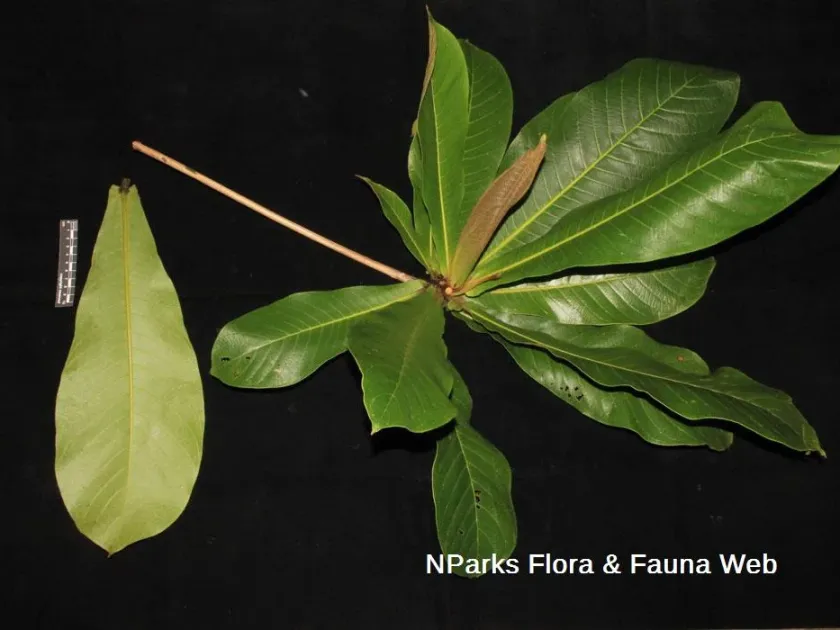
Description
Growing requirements
Terminalia foetidissima belongs to the Combretaceae family and is a prominent tree species native to tropical environments. It thrives in regions characterized by high annual rainfall and consistent, warm temperatures throughout the year.
The cultivation of this species requires well-drained, nutrient-rich soils to support its substantial biomass development. Areas with stagnant water or poor aeration must be avoided to prevent root diseases that frequently affect this genus in poorly managed plantations.
Optimal growth conditions necessitate full exposure to sunlight, as the species does not perform well in heavily shaded environments after reaching the pole stage. Proper spacing between trees is critical to ensure adequate airflow and nutrient access.
The climate must be strictly tropical; the species exhibits low tolerance for cold spells or extreme fluctuations in humidity. Implementing irrigation systems in areas with slight seasonal drought is recommended to maintain vegetative vigor.
Soil management involves regular monitoring of pH levels and organic matter content. Maintaining a neutral soil environment helps optimize the absorption of necessary micronutrients for healthy tree development.
Harvesting
The primary economic focus for Terminalia foetidissima is its timber production. The wood, known for its distinct odor, requires specific curing and drying techniques to make it suitable for commercial furniture and construction applications.
Harvesting is conducted when the trunk reaches maturity, ensuring the structural integrity of the wood fibers. Selective logging techniques are preferred to maintain the health of the surrounding forest ecosystem in plantation settings.
Secondary utilization includes the use of bark and foliage in regional applications, where organic compounds are extracted for local medicinal or traditional purposes.
Sustainable harvesting practices are essential to ensure the regeneration of the species. Foresters often employ a rotational harvesting model to maintain a steady yield over long-term cycles.
Post-harvest treatment of the timber, including seasoning, is essential to mitigate the naturally occurring scent and improve the longevity of the final wood products in various climates.