
Terminalia ferdinandiana
Terminalia ferdinandiana
Description
Growing requirements
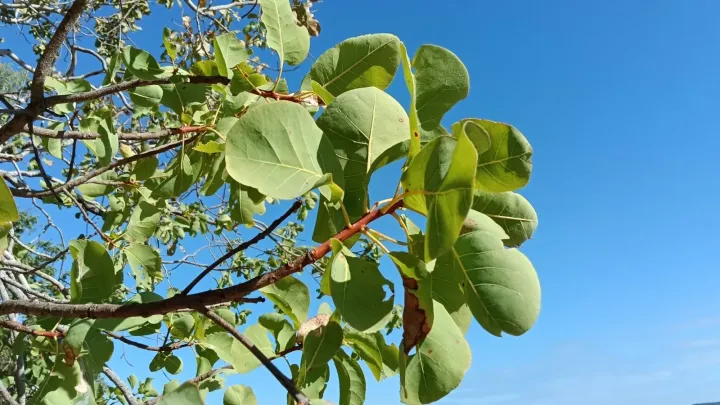
Terminalia ferdinandiana is a deciduous tree belonging to the Combretaceae family, endemic to the tropical savannas of northern Australia. It is widely recognized under the names Kakadu plum, billygoat plum, and gubinge, known primarily for its extraordinary vitamin C concentration.
The plant thrives in tropical climates characterized by distinct wet and dry seasons. It is highly sensitive to frost and low temperatures, which restricts its commercial cultivation to frost-free tropical or subtropical geographical regions where sunlight is abundant.
Suitable growing conditions include well-drained, sandy, or loamy soils. The tree has evolved to survive in nutrient-poor environments, making it highly resilient to drought once the root system is well-established in the native terrain.
Abundant sunlight is a critical requirement for successful development. Shaded areas significantly inhibit the growth rate and fruit yield of the trees, so planting must be conducted in open spaces with maximum exposure to full sunlight throughout the year.
Agronomic management in early stages includes keeping the area around the saplings clear of invasive weeds. Once mature, Terminalia ferdinandiana requires minimal intervention, as it is naturally adapted to withstand the harsh conditions of its endemic habitats.
Yield
The economic importance of Terminalia ferdinandiana is driven by the global demand for its fruits, which contain high levels of bioactive compounds. The fruits are small, oval drupes that undergo a ripening process during the latter part of the year.
Harvesting efficiency is a key factor in the commercial success of this crop. While wild harvesting is still common, established plantations are moving toward mechanized or supervised manual collection to ensure fruit quality and consistency.
Optimal timing for harvest is determined by the skin color change of the drupes. Collecting at the exact moment of physiological maturity is essential to maximize the concentration of vitamin C and other antioxidants stored within the fruit flesh.
Post-harvest handling requires immediate cooling or processing, such as freeze-drying, to prevent the rapid degradation of heat-sensitive compounds. Processed products are used extensively in the cosmetic, pharmaceutical, and functional food sectors.
Continuous research into genetic selection aims to improve the productivity of orchards, ensuring that cultivated varieties meet the high standards required for global export markets and industrial-scale food manufacturing.
Main diseases and pests
Fungal infections represent a significant threat during periods of high humidity. Excessive soil moisture can cause root rot, making proper drainage design a fundamental aspect of site selection for any new plantation or nursery.
Insect pests, including various caterpillars and beetles, can cause significant damage to young leaves and tender growth. Integrated pest management (IPM) strategies are often employed to maintain the health of the trees without over-relying on synthetic chemicals.
Wildlife, particularly birds and small mammals, frequently forage on developing fruits. Protecting trees with bird netting or physical barriers is a standard procedure in many orchards to prevent loss and ensure the fruit reaches full maturity.
Proper spacing between trees is necessary to facilitate airflow and reduce the humidity levels that favor pathogen spread. Overcrowding can lead to increased vulnerability to disease, which complicates the health management of the entire orchard.
Competition from native vegetation during the establishment phase can stunt the growth of young trees. Regular weeding and maintaining a clean cultivation zone around the trunk base remain the most effective methods for promoting healthy establishment.