
Terminalia elliptica
Terminalia elliptica
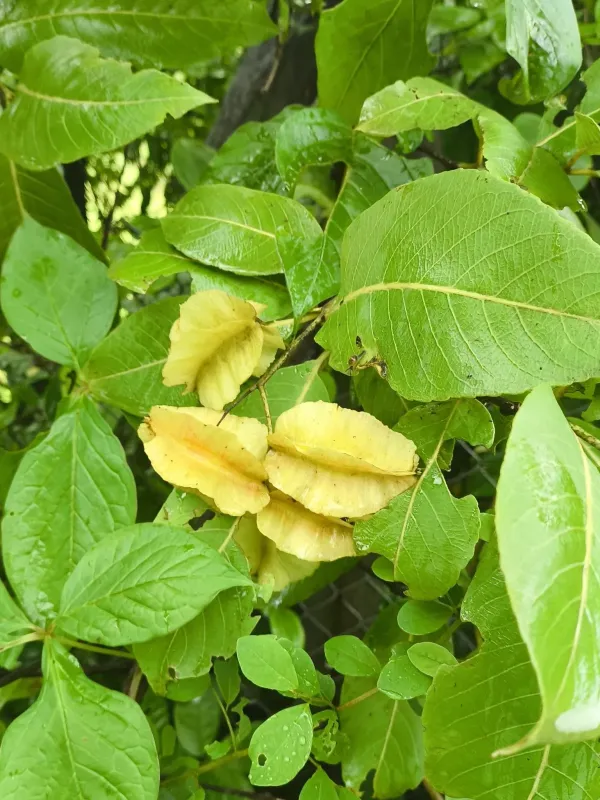
Description
Growing requirements
Terminalia elliptica is a large deciduous tree belonging to the Combretaceae family. It is a dominant species in its natural habitat, recognized for its sturdy trunk and expansive crown that provides significant ecological benefits to tropical ecosystems.
Native to the tropical regions of South and Southeast Asia, this tree is well-adapted to monsoon climates. It thrives in environments characterized by distinct wet and dry seasons, which regulate its annual growth and dormancy cycles.
The tree prefers deep, well-drained soils with a neutral or slightly acidic pH. While it shows some tolerance for seasonal waterlogging, it is vital to avoid areas with poor drainage to prevent root diseases and ensure optimal tree health.
As a light-demanding species, Terminalia elliptica requires ample sunlight for rapid growth. Proper spacing between trees is essential in commercial plantations to reduce competition and encourage the development of a straight, high-quality timber bole.
Agricultural management during the early growth stages is critical. Seedlings need consistent watering to establish a strong root system, although once mature, the trees demonstrate considerable resilience to heat and dry conditions.
Yield
The primary economic output of Terminalia elliptica is its high-quality timber, commercially known as Indian Laurel. This wood is prized for its attractive dark figuring, high density, and durability, making it a preferred material for luxury furniture and cabinetry.
Beyond timber, the tree is a valuable source of tannins. The bark and fruits contain high levels of phenolic compounds, which have been historically utilized in the leather tanning industry to produce high-grade leathers.
The species plays a significant role in agroforestry systems. It contributes to soil health by providing organic matter through leaf litter, which helps maintain soil structure and fertility in tropical landscapes prone to degradation.
Research into the medicinal properties of Terminalia elliptica continues to highlight its potential in pharmacology. Extracts from various parts of the tree are studied for their antioxidant, anti-inflammatory, and antimicrobial properties.
Economic sustainability is achieved through long-term forest management strategies. Given the slow growth rate required to reach technical maturity, plantation harvesting must be balanced with replanting efforts to ensure resource continuity.
Main diseases and pests
Fungal infections pose a significant risk, particularly in high-humidity conditions. Preventing water accumulation around the base of the trunk is crucial to avoid root rot and other soil-borne pathogens that can devastate younger stands.
Wood-boring insects are a major pest concern, as they can cause extensive damage to the timber quality. Integrated pest management strategies, including regular monitoring and early detection, are necessary to protect the tree's value.
Leaf spot diseases may occur in nurseries if spacing is too tight and air circulation is poor. Maintaining adequate distance and removing infected debris are standard practices to minimize the impact of these diseases.
Physical damage from large animals or rodents can leave the tree vulnerable to secondary infections. Protective measures such as tree guards or fencing are often recommended for young plantations in wilder areas.
Extreme weather events, specifically high-velocity winds, represent a mechanical threat to the canopy. Pruning and formative management help create a structurally sound tree capable of withstanding environmental stresses.