
Terminalia citrina
Terminalia citrina
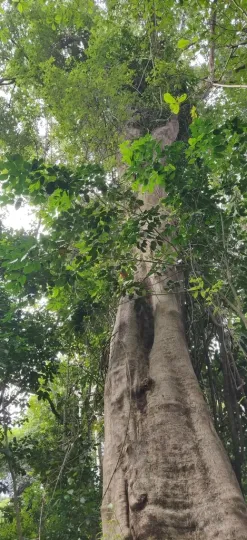
Description
Growing requirements
Terminalia citrina is a prominent deciduous tree species belonging to the Combretaceae family. It is widely recognized for its robust growth habit and is capable of reaching heights of up to 30 meters in favorable tropical environments.
The native distribution of this tree spans across the tropical belts of Southeast Asia and India. It thrives in humid forest ecosystems where the rainfall pattern is consistent, supporting the tree's continuous metabolic processes throughout the year.
For agricultural success, Terminalia citrina requires well-drained, nutrient-rich soils that prevent root rot while maintaining sufficient moisture levels. Ideally, the soil texture should be loamy or sandy loam to allow for deep root penetration and healthy development.
Climate is the primary factor limiting the range of this species, as it is strictly tropical and cannot withstand temperatures below 10 degrees Celsius. It requires high solar radiation to promote vigorous leaf growth and the optimal maturation of its medicinal fruit.
Economic utility of Terminalia citrina is significant; the fruits are heavily utilized in the leather industry as a tanning agent and in traditional medicine for their therapeutic properties. Furthermore, the timber is prized in local construction and furniture making due to its durability and resistance to pests.