
Terminalia calamansanai
Terminalia calamansanai
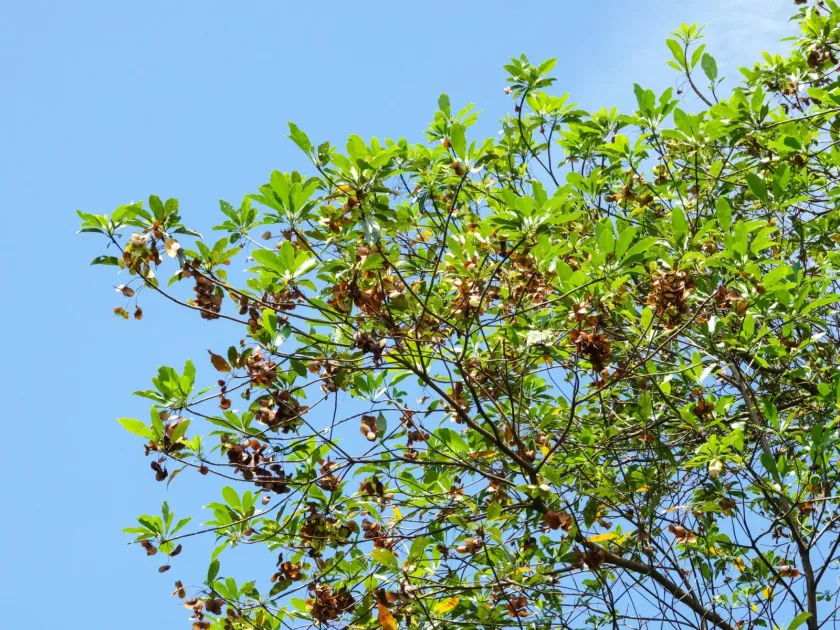
Description
Growing requirements
Terminalia calamansanai is a large evergreen tree belonging to the Combretaceae family. In its natural habitat, it develops into a massive specimen, often forming part of the upper canopy layer in the tropical rainforests of Southeast Asia.
This species thrives in humid tropical climates characterized by high rainfall throughout the year. The optimal temperature range for consistent growth is between 22 and 30 degrees Celsius, and the tree is highly sensitive to any form of frost.
The plant has moderate soil requirements but performs best in deep, well-drained alluvial or loamy soils. While it can tolerate brief periods of waterlogging, poor drainage remains a significant limiting factor for the establishment of young saplings.
The native distribution of this species includes countries such as the Philippines, Malaysia, Indonesia, and Vietnam. In forestry, it is utilized both for reforestation projects and as a key component in agroforestry systems across the tropical belt.
Botanically, the tree is identified by its straight, cylindrical trunk and leathery foliage. It produces small, fragrant flowers arranged in spike-like inflorescences, followed by the development of winged fruits, which facilitate seed dispersal via wind.
Harvesting
The primary economic value of Terminalia calamansanai lies in its high-quality timber, often marketed as calamansanai or Philippine mahogany. It is prized for its excellent mechanical properties, impressive strength, and structural stability.
The wood is extensively used in high-end furniture manufacturing, luxury flooring, and decorative interior construction. Its fine grain and natural ability to take a polish make it a highly desirable raw material for woodworking industries.
Logging operations are typically managed under sustainable forest principles to ensure the regeneration of the population. Harvesting cycles are determined by the tree's maturity, requiring several decades of undisturbed growth to achieve optimal commercial wood quality.