
Terminalia brownii
Terminalia brownii
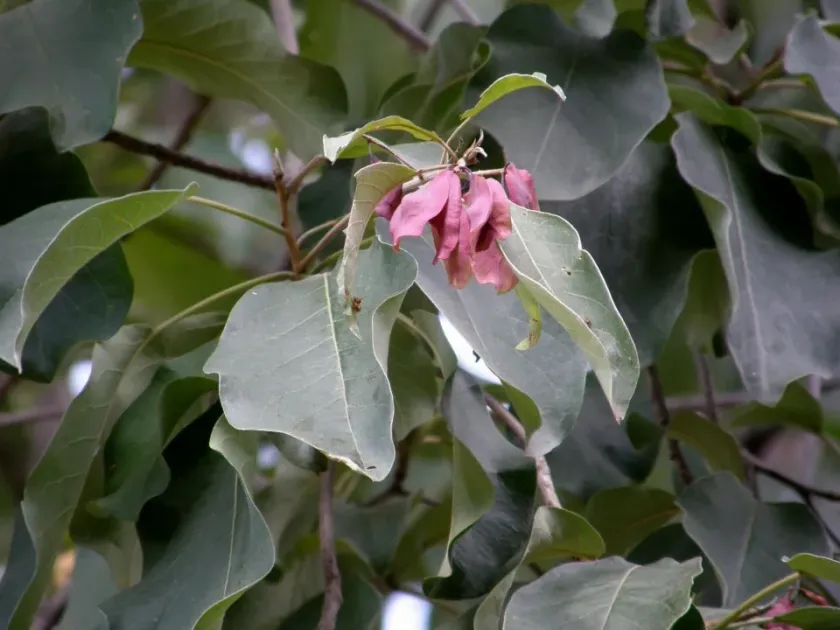
Description
Growing requirements
Terminalia brownii is a fast-growing deciduous tree belonging to the Combretaceae family. In its natural habitat, the tree can reach heights of up to 20 meters, featuring a wide, spreading crown that provides excellent shade in arid climates.
The species is native to East African regions, including Ethiopia, Kenya, and Uganda. It is a characteristic element of savanna woodlands and semi-arid zones, where it demonstrates a high capacity to adapt to seasonal moisture fluctuations.
The tree prefers deep, well-drained soils but shows significant tolerance to nutrient-poor substrates and moderate salinity levels. It thrives in regions receiving annual rainfall between 500 and 1200 mm, enduring prolonged dry spells quite effectively.
Optimal temperatures for vigorous growth range between 20°C and 30°C. While the species is heliophilous (sun-loving), young seedlings often require partial shading during their initial months to protect them from intense midday heat.
The economic value of Terminalia brownii lies in its durable, termite-resistant timber. Furthermore, the tree is extensively utilized in agroforestry systems to establish windbreaks and as a pioneer species for restoring degraded landscapes.
Main diseases and pests
Major threats to the crop include fungal root infections caused by waterlogging. Chronic soil saturation is a critical stress factor that facilitates the development of root rots, which often lead to premature plant mortality.
Wood-boring pests, such as longhorn beetle larvae, can cause significant structural damage if trees are weakened by drought. Regular monitoring of the bark for entry holes is essential for maintaining the health of the wood stands.
Young seedlings are particularly susceptible to powdery mildew, especially in humid conditions with poor air circulation. Preventive fungicide applications during early growth stages are recommended to mitigate the risk of severe disease outbreaks.
Browsing animals, such as goats and wild ungulates, pose a constant threat to young plantations by stripping bark and consuming leaves. Installing individual protective fencing is a crucial agrotechnical requirement during the establishment phase.
Maintaining proper spacing between individual trees is vital to ensure adequate ventilation through the canopy, which effectively reduces the incidence of epiphytic fungi and other foliage-related pathogens in mature stands.