
Terminalia boivinii
Terminalia boivinii
Description
Growing requirements
Terminalia boivinii is a distinct tree species belonging to the Combretaceae family, native to the diverse landscapes of Madagascar. Known for its robust growth, it has become a subject of interest in tropical forestry due to its unique biological profile and valuable wood properties.
The plant thrives in well-drained, nutrient-rich soils that support its deep root system. Adequate moisture is crucial during the early stages of development, though the species exhibits a moderate level of tolerance to seasonal dry periods once it reaches maturity.
Climate requirements for this species are centered around warm, tropical environments with minimal temperature fluctuations. It performs best in full sunlight, which is necessary for the development of its dense crown and the overall health of its leaf architecture.
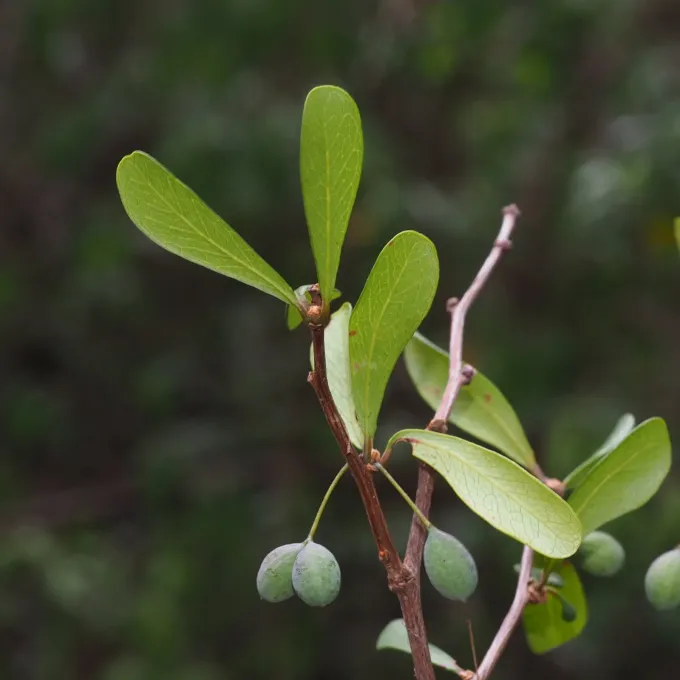
Botanically, the tree is characterized by a sturdy, vertically growing trunk and horizontal branching patterns. The leaves are typically arranged in clusters at the ends of twigs, providing a large surface area for light absorption, which is a common adaptation for this genus.
The economic utility of Terminalia boivinii is primary focused on timber production. Its wood is highly valued in carpentry for its durability and resistance to wear, making it a reliable material for furniture making, flooring, and specialized construction projects in tropical regions.
Main diseases and pests
Like many species in its family, Terminalia boivinii faces pressure from wood-boring insects that can undermine the integrity of the trunk. Management strategies often involve integrated pest control to protect the timber quality of standing trees.
Fungal diseases are a major concern, particularly those affecting the vascular system through soil moisture imbalance. Maintaining proper drainage and avoiding waterlogging is essential to prevent these pathogens from taking hold in the plantation environment.
Defoliating insects can significantly impact the photosynthetic capacity of young saplings, leading to stunted growth. Regular inspection schedules are recommended to detect infestations at early stages and apply targeted treatments if necessary.
Root rot caused by stagnant water or pathogen exposure is a critical threat that can result in the loss of trees. Sustainable cultivation practices must emphasize the importance of site preparation and proper spacing to minimize stress on the individual plants.
Environmental stressors such as extreme storms or prolonged droughts can weaken the tree's natural defenses, making it more susceptible to secondary infections. Ensuring healthy soil conditions and periodic nutritional monitoring helps maintain the tree's resilience against common threats.