
Quisqualis conferta
Quisqualis conferta
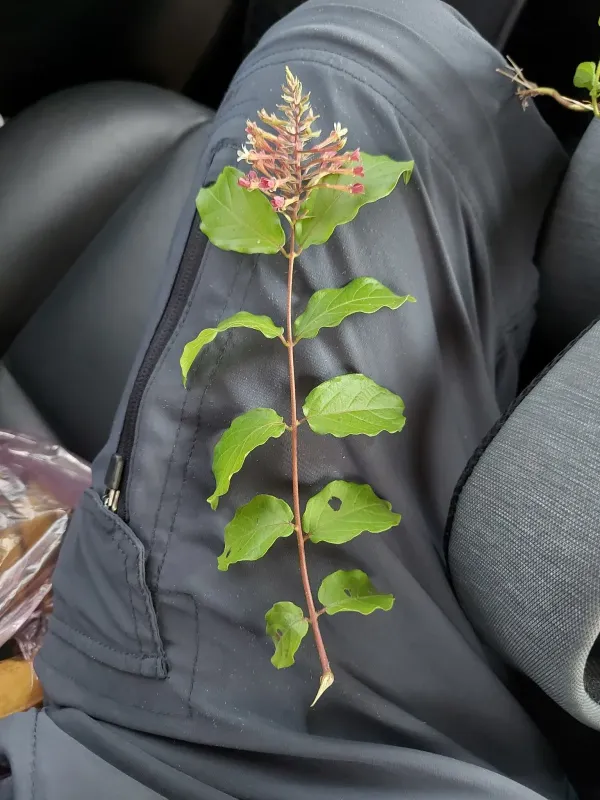
Description
Growing requirements
Quisqualis conferta is a woody climbing vine belonging to the Combretaceae family. Native to the tropical regions of Southeast Asia, this species thrives in forest edges and humid environments, known for its rapid vegetative development.
The culture requires a tropical climate to maintain vitality. It prefers a temperature range of 22–28°C and is strictly intolerant to frost. Sustained temperatures below 10°C will lead to significant physiological stress and growth cessation.
Soil requirements focus on high organic content and excellent drainage. The plant prefers well-aerated, fertile loam substrates that maintain moisture without becoming waterlogged, as the roots are highly susceptible to oxygen deprivation.
Lighting should be bright and indirect to encourage healthy leaf color and structural integrity. Direct sunlight at midday in tropical climates can sometimes cause localized scorching, so light shade during peak hours is recommended.
Agronomic management relies heavily on training and pruning. Since the plant is an aggressive climber, providing sturdy trellises is essential. Regular pruning helps manage size and promotes the formation of flowering branches throughout the season.
Main diseases and pests
Common pests include spider mites and scale insects, particularly during dry seasons. Integrated pest management, including washing the foliage and applying horticultural oils, is highly effective for population control.
Root rot caused by Phytophthora species is a major threat in soils with poor drainage. Management involves rigorous irrigation scheduling and ensuring the medium is dry enough before subsequent watering cycles.
Powdery mildew may develop in stagnant, humid environments where air circulation is insufficient. Increasing air movement through spacing or mechanical ventilation is a critical prophylactic measure for this culture.
Chlorosis, often triggered by micronutrient deficiencies such as iron or magnesium, can affect leaf color. Foliar application of chelated trace elements is a fast-acting solution for correcting these specific nutritional gaps.
Viral infections can manifest as mottled leaf patterns and stunted growth. Infected plants should be isolated immediately to prevent transmission by sap-sucking insects, which are the primary vectors in the field.