
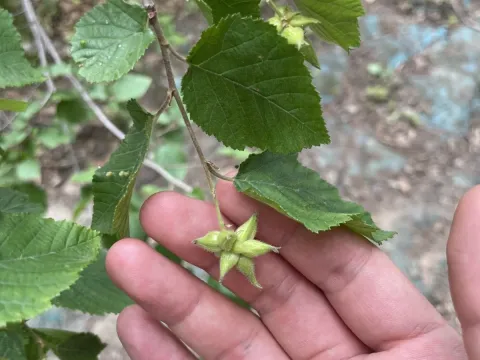
Ostryopsis
Ostryopsis
Ostryopsis is a genus of deciduous shrubs belonging to the Betulaceae family, closely related to the hazelnut family. The most prominent species in this genus is Ostryopsis davidiana.
What the section contains

Ostryopsis
Originating from the mountainous regions of China, this plant is well-adapted to temperate climates. It thrives in hilly terrain and forest fringes, showing significant resilience to temperature fluctuations.
The cultivation of Ostryopsis requires well-drained, fertile soil. It performs best in environments where moisture is consistent but does not accumulate to cause waterlogging of the root system.
Climate preferences include cool, moist conditions common in its native range. While it appreciates sunny spots, it is capable of growing in partial shade, mimicking its natural forest habitat.
Botanically, these shrubs are known for their dense growth habit and simple foliage. They act as essential components of the understory in their native ecosystems, contributing to local biodiversity.
The primary threats to Ostryopsis include fungal pathogens, particularly powdery mildew, which can develop during periods of stagnant humidity and poor ventilation.
Various insect pests, including leaf-eating beetles and weevils, can compromise the foliage. These pests often target younger, tender leaves, potentially reducing the overall vigor of the plant.
Effective management requires regular monitoring of the shrubs during the growing season to detect early signs of infestation or disease spread.
Cultural practices, such as maintaining optimal plant spacing and ensuring proper air circulation within the shrubbery, are the most effective non-chemical ways to reduce health risks.
In cases of severe infestation, integrated pest management strategies are recommended to maintain the health of the plants while minimizing environmental impact.