
Medwedew's birch
Betula medwediewii
Description
Sowing dates
Propagation of Medwedew's birch is typically performed through seeds, which require a cold stratification period of 2 to 3 months to break dormancy. Sowing in outdoor seedbeds during autumn allows seeds to undergo natural stratification, leading to higher germination rates in the following spring.
Vegetative propagation via softwood cuttings is possible but remains a challenging process. Successful rooting requires a controlled environment with mist systems, high humidity, and stable soil temperature, usually ranging between 20 and 22 degrees Celsius.
Young seedlings are highly sensitive to drought and intense heat during their first two years. Providing partial shade and consistent moisture is essential for their establishment, as they lack the deep root systems of mature specimens during this formative stage.
When transplanting to a permanent location, ensure a spacing of at least 3 to 4 meters between trees. This distance is necessary to accommodate the tree's natural growth habit and its wide-spreading crown, preventing nutrient competition in the future.
Soil preparation should involve adding organic matter such as compost or leaf mold to the planting hole. This improves soil structure and provides the initial nutrition needed for the young tree to establish a strong, healthy root network.
Growing requirements
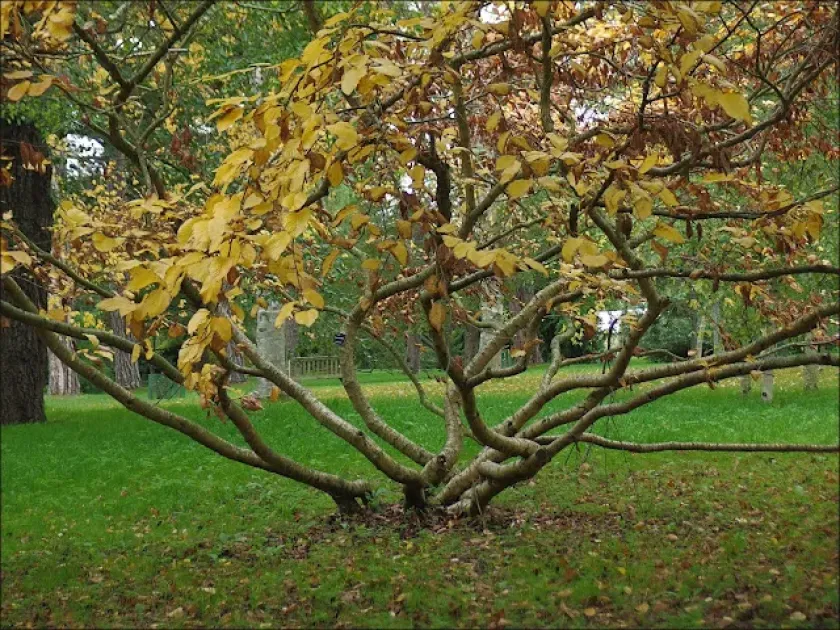
Medwedew's birch (Betula medwediewii) belongs to the Betulaceae family and is an endemic species native to the mountain regions of Transcaucasia and Turkey. It is known for its distinct botanical features, including attractive foliage and unique, exfoliating bark.
The species prefers well-drained, moderately moist soils with an acidic to neutral pH. It thrives in locations where there is reliable precipitation, as it is not tolerant of prolonged drought or waterlogged soil conditions, which can lead to root damage.
Regarding light requirements, this birch is essentially sun-loving. While young plants can tolerate some shade, full exposure to sunlight is required for the tree to develop its characteristic dense crown and maintain its overall health throughout the growing season.
The tree is adapted to cool, mountainous climates and can tolerate temperatures down to approximately -25 degrees Celsius once established. Protection from desiccating winds is advisable, especially in exposed garden settings, to prevent premature leaf drop.
Management practices include mulching the root zone to retain soil moisture and regulate temperature. Regular monitoring of the soil moisture levels is necessary, especially during the dry summer months, to prevent stress in the tree.
Main diseases and pests
Leaf-eating caterpillars represent the most common threat to the foliage. In cases of heavy infestation, these insects can cause significant defoliation, which weakens the tree and makes it susceptible to further environmental stress and diseases.
Fungal pathogens such as powdery mildew can affect the leaves during periods of high humidity and poor air circulation. To manage this, ensure adequate spacing between trees and apply copper-based fungicides if symptoms of white fungal growth appear.
Stem borers can be a critical issue for trees that are already suffering from drought or mechanical damage. Maintaining the overall vitality of the tree through correct watering and fertilization is the primary method of preventing attacks from boring insects.
Root rot is a significant danger if the soil is poorly drained. Symptoms include yellowing leaves, dieback of branch tips, and reduced vigor, often appearing after heavy rain events or improper irrigation management in heavy soils.
Mechanical injuries to the bark should be addressed immediately to prevent infection by decay-causing fungi. Using appropriate wound dressing or sealing agents can protect the inner tissues from pathogens during the healing process.