
Ostryopsis davidiana
Ostryopsis davidiana
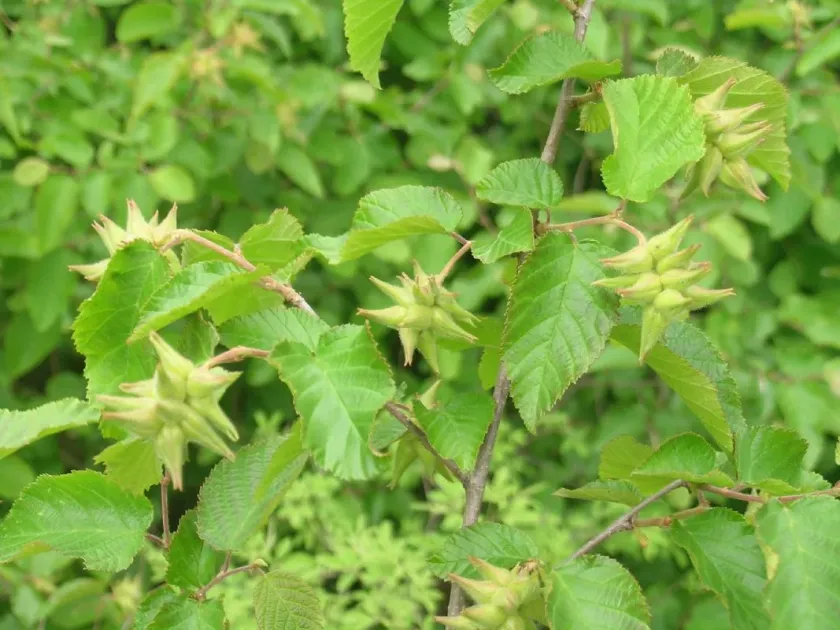
Description
Growing requirements
Ostryopsis davidiana is a hardy deciduous shrub belonging to the Betulaceae family. It is native to the temperate mountain regions of China, where it thrives in rocky environments and forested slopes.
This species is highly valued for its adaptability to various soil types, provided they offer efficient drainage. It prefers well-aerated, slightly acidic to neutral soils to ensure robust root health.
Botanically, it resembles members of the hazelnut family, featuring ovate leaves with serrated margins. The plant exhibits a natural habit of forming dense, twiggy clusters, which contributes to its ecological stability.
Regarding climate requirements, it is a drought-tolerant plant that benefits from full sun exposure. It is particularly effective for soil stabilization projects due to its dense, fibrous root system.
Agrotechnical care involves minimal intervention once the plant is established. Supplemental irrigation is only recommended during prolonged droughts in the early stages of the plant's life cycle.
Main diseases and pests
The primary threats to Ostryopsis davidiana include fungal infections such as powdery mildew, which can thrive in stagnant air conditions or during high humidity periods.
Insect pests, specifically aphids, are known to target young tender shoots during the spring, which can lead to stunted growth if left unmanaged.
Leaf spot diseases, often caused by Phyllosticta fungi, can affect the overall aesthetic and physiological vigor of the shrub in dense plantation settings.
Effective management involves maintaining proper spacing between plants to ensure adequate airflow and reduce the humidity around the canopy.
Standard horticultural practices, such as pruning damaged branches and applying preventative systemic fungicides, are recommended to maintain plant health throughout the growing season.