
Chitalpa tashkentensis
x Chitalpa tashkentensis T. S. Elias & Wisura
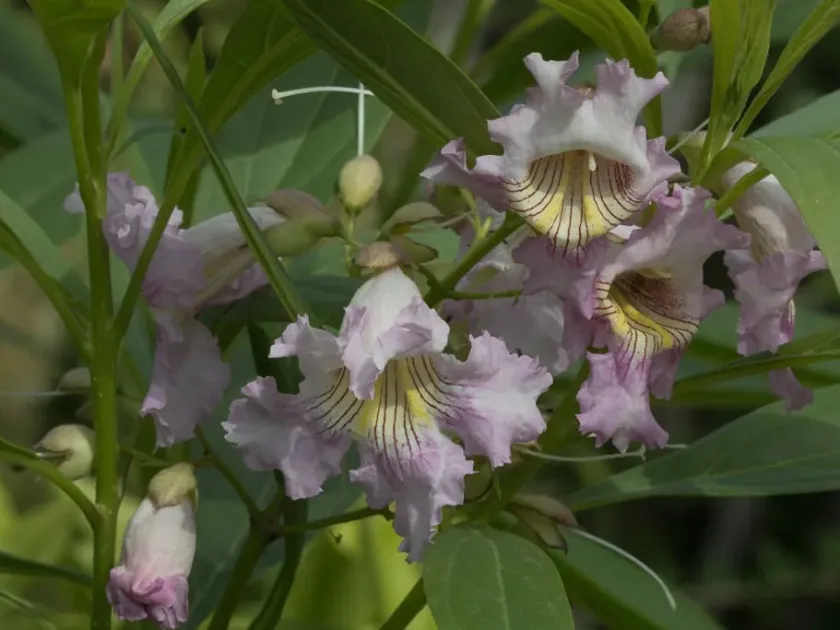
Description
Growing requirements
Chitalpa tashkentensis is a notable intergeneric hybrid resulting from a cross between Catalpa bignonioides and Chilopsis linearis. Belonging to the Bignoniaceae family, this deciduous ornamental tree is celebrated for its lush, trumpet-shaped flowers and attractive, lanceolate foliage that mimics its desert-adapted parent.
Originating from Tashkent, Uzbekistan, this hybrid was developed to combine the aesthetic beauty of Catalpa with the resilience of desert flora. It is widely cultivated in warm, temperate climates where it serves as a highly ornamental specimen tree in parks and residential landscaping.
The cultural requirements are centered on full sun exposure, which is crucial for achieving vigorous growth and profuse flowering throughout the summer. It performs best in regions with long, hot summers, as it is naturally adapted to high temperatures and can tolerate significant periods of dryness once established.
Soil requirements dictate a well-draining medium, such as sandy or loamy soil, to prevent the moisture stagnation that can lead to root system failure. While it can adapt to various soil pH levels, it thrives best in neutral to slightly alkaline conditions where essential nutrients are readily available.
Routine agrotechnical practices include deep, periodic irrigation during the first few growing seasons to establish a deep root system. Pruning is essential in early spring to shape the canopy and remove any dead or crossing branches, which encourages a more structurally sound and aesthetically pleasing form.
Main diseases and pests
The primary pathological threat to Chitalpa tashkentensis is powdery mildew, particularly in humid or stagnant air environments. This fungal infection manifests as a dusty white coating on leaves, which, if left untreated, can lead to premature leaf drop and weakened tree vigor.
Root rot is a critical risk associated with waterlogged or poorly drained soils. The development of necrotic root tissue is often irreversible, emphasizing the need for proper site selection and effective soil preparation before planting the tree in its permanent location.
Pest pressures are primarily driven by sap-sucking insects like aphids and spider mites, which can proliferate during extended dry spells. Monitoring the undersides of leaves is recommended, followed by targeted treatment with organic or chemical insecticides if infestation thresholds are reached.
Mechanical damage to the bark can serve as an entry point for opportunistic fungal and bacterial pathogens, leading to cankers or wood decay. It is important to avoid damaging the trunk during lawn maintenance or other garden activities to maintain the tree's defensive barriers.
Integrated Pest Management (IPM) strategies, including proper thinning of the crown to improve airflow, remain the most effective approach for maintaining healthy trees. Proactive monitoring and maintaining vigorous growth through balanced nutrition significantly reduce the tree's susceptibility to these common threats.