
Hunnemannia fumariifolia
Hunnemannia fumariifolia Sweet.
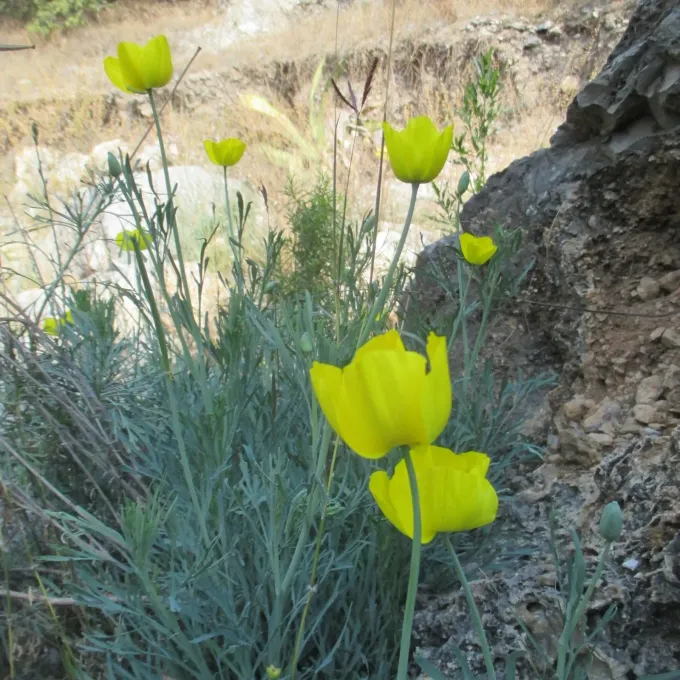
Description
Sowing dates
Hunnemannia fumariifolia, often known as the Mexican tulip poppy, produces seeds that lose viability quickly, so it is essential to use fresh seed for optimal germination. Sowing in open ground should be delayed until late spring to ensure the soil is sufficiently warm, as the plant is highly sensitive to cold.
For colder regions, starting seeds in peat pots indoors is recommended. Because the plant features a delicate taproot that dislikes disturbance, transplanting must be done carefully using the method of transferring the entire root ball into the permanent site once the risk of frost has passed.
Seeds should be covered with only a thin layer of soil, about 0.5 to 1 centimeter deep. Maintaining a steady temperature between 20–22 degrees Celsius and using a plastic cover to keep humidity levels consistent will encourage faster and more uniform germination.
Space the plants approximately 30–40 centimeters apart to ensure adequate airflow. Proper spacing is a key preventative measure against dampness-related diseases and helps the plant develop a strong, bushy habit.
To extend the flowering season, gardeners often use staggered sowing. By planting seeds in batches every three weeks, you can ensure a continuous supply of bright yellow blossoms throughout the entire summer and into early autumn.
Growing requirements
As a member of the Papaveraceae family native to Mexico, Hunnemannia demands maximum sun exposure. It thrives in locations that receive full, unobstructed sunlight throughout the day and will not perform well in shaded environments.
Soil requirements are strict: the plant needs sandy, gritty, or well-draining soil. Drainage is the most critical factor, as stagnant water around the roots will inevitably lead to root rot and the rapid decline of the plant.
The ideal soil pH is neutral or slightly alkaline. If the native soil is heavy or clay-based, it must be amended with large quantities of coarse sand or grit to create the light, airy growing medium that this plant requires for survival.
Once established, the Mexican tulip poppy is remarkably drought-tolerant. Irrigation should be minimal and focused strictly on the root zone, avoiding overhead watering which can splash soil onto the foliage and create conditions for fungal growth.
Fertilization should be handled with caution. High nitrogen levels tend to produce lush green leaves at the expense of floral display. A single application of a balanced, low-nitrogen fertilizer at the start of the growing season is typically sufficient.
Main diseases and pests
The most significant threat to this culture is high humidity. Fungal issues like powdery mildew and various root rots are common in damp conditions, emphasizing the need for proper site selection and strict adherence to a dry-growing regimen.
Aphids are the most frequent insect pest, particularly attacking the tender new growth and developing buds. Systemic insecticides or insecticidal soaps are usually effective in controlling infestations before they cause significant damage.
During periods of extreme heat and drought, spider mites may become a concern. Look for fine webbing and discolored stippled leaves. Maintaining plant health and applying appropriate acaricides will quickly manage the mite population.
Slugs and snails can cause substantial damage to young seedlings. Using physical barriers like copper tape or spreading slug pellets around the base of the plants can provide effective protection during the vulnerable early growth stage.
Viral infections, characterized by leaf mottling, yellowing, or distorted growth, represent a serious threat. There is no cure for such viruses, so infected plants should be promptly pulled and destroyed to protect the surrounding crop.
Harvesting
Hunnemannia fumariifolia is primarily grown as an ornamental plant, prized for its large, cup-shaped golden-yellow flowers and finely divided, glaucous foliage. It is a stunning addition to sunny borders and xeriscaped gardens.
For those interested in using the flowers for arrangements, harvest time is crucial. The flower buds should be cut when they are just beginning to show color but have not yet fully opened; this significantly increases their vase life.
Harvesting is best performed in the early morning when the plant cells are fully turgid. Cutting during the heat of the day should be avoided to prevent immediate wilting and ensure the flowers remain vibrant after being placed in water.
To save seeds, monitor the seed pods closely as they mature. Because they dry and open rapidly, potentially scattering seeds across the garden, it is necessary to harvest them as soon as the pods show signs of turning brown.
After harvesting, pods should be dried in a well-ventilated, shaded area. Once completely dry, the seeds can be threshed, cleaned of debris, and stored in paper envelopes in a cool, dark place for the following season.