
Protea welwitschii
Protea welwitschii
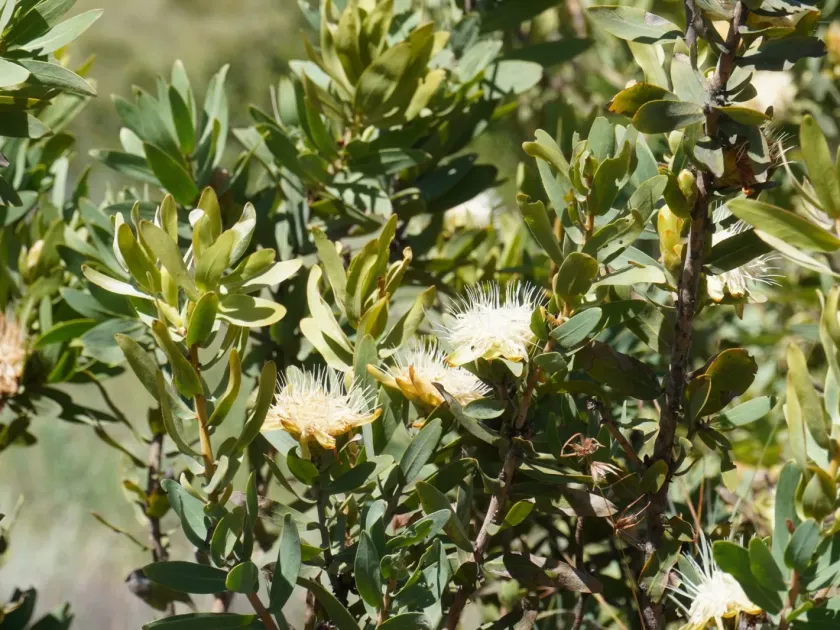
Description
Sowing dates
Protea welwitschii belongs to the Proteaceae family and is an evergreen shrub native to tropical Africa. As an agricultural crop, its propagation primarily involves seeding, which requires specific protocols due to the dormant nature of the seeds and their sensitivity to environmental factors.
Seeds should be sown in a light, well-draining substrate with low phosphorus levels. Using a mixture of coarse sand and peat is recommended to provide the necessary aeration for root development while preventing moisture-related pathogens from attacking the seeds.
A diurnal temperature shift is often required to trigger germination, mimicking the natural high-altitude African climate. Consistency in maintaining moderate humidity without saturation is key to achieving high germination rates in a controlled nursery environment.
Vegetative propagation via cuttings is also practiced to maintain desirable plant characteristics. Cuttings must be taken from semi-hardwood stems and treated with rooting hormones before being placed in a misting propagation unit.
Seedlings should be handled with extreme care during the initial potting phase. The plant's root system is delicate and prone to physical damage, which can lead to stunted growth or failure to establish in the long term.
Growing requirements
The plant thrives in full sun, requiring high light intensity for optimal growth and flower bud formation. In low-light environments, the shrub tends to lose its structural integrity and exhibits reduced vigor, significantly impacting the commercial output of the crop.
Soil requirements are highly specific; the medium must be acidic (pH 5.0–5.5) and very low in phosphorus. Standard horticultural fertilizers are often too rich, which can prove toxic to the protea’s specialized root structures known as cluster roots.
Water quality is a critical factor in successful cultivation. Protea welwitschii is highly sensitive to dissolved salts and minerals, particularly calcium, in the water. Irrigation should be performed with rainwater or demineralized water to prevent chlorosis.
Good air circulation is essential to prevent the accumulation of humidity, which can lead to fungal issues. The plant thrives in environments where temperatures are moderate, avoiding the extremes of freezing frost or intense, scorching heat.
Fertilization should be kept to a minimum and exclusively use low-phosphorus, slow-release formulas designed specifically for the Proteaceae family. Over-fertilization is the most common cause of crop failure in greenhouse conditions.
Harvesting
The harvesting stage is determined by the development of the inflorescence. For commercial trade, flowers are usually cut when the bracts are fully opened but the central florets have not yet shed their pollen, ensuring the longest vase life.
Cuts should be made using disinfected pruners in the early morning to ensure maximum hydration of the stems. Post-harvest treatments often involve specialized floral preservatives that balance hydration while inhibiting bacterial growth in the vascular system.
After harvesting, the plants should be pruned to maintain vigor and stimulate new growth for the subsequent season. Removing exhausted flower stems ensures the plant allocates resources efficiently to vegetative development rather than seed production.
Packaging must provide adequate ventilation to prevent the buildup of heat and moisture during transport. Protea welwitschii stems are sensitive to ethylene gas, so keeping them in an ethylene-free environment is necessary to preserve quality.
Storage of cut stems should occur in a cool, dark environment. Proper management of the post-harvest cold chain is crucial to ensure that the exotic product maintains its freshness throughout the international supply chain.