
Banksia praemorsa
Banksia praemorsa
Description
Growing requirements
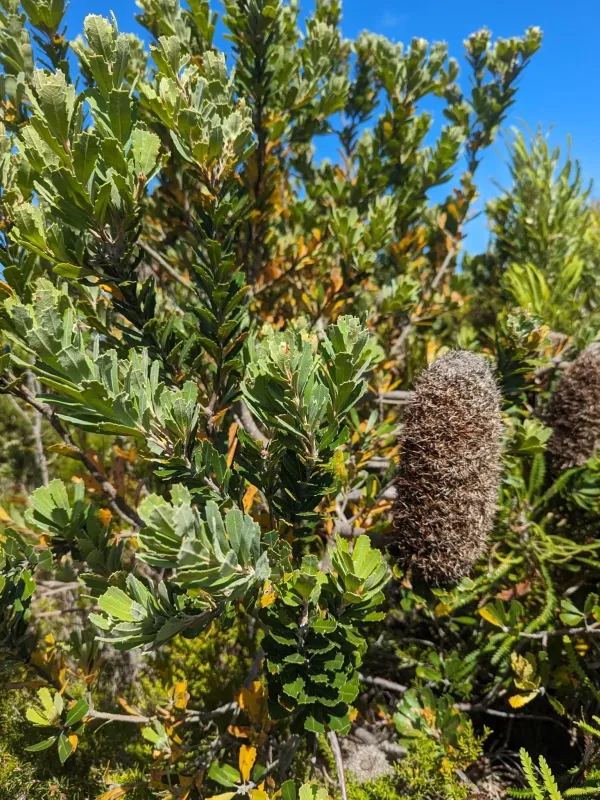
Banksia praemorsa, commonly known as the cut-leaf banksia, belongs to the Proteaceae family. It is a perennial evergreen shrub or small tree native to the coastal regions of Western Australia, where it thrives in sandy limestone-derived soils.
The agronomic profile of this species highlights a critical intolerance to high phosphorus levels. In cultivation, it is essential to use phosphorus-free or extremely low-phosphorus fertilizers to prevent severe phytotoxicity and root system failure.
This crop requires a Mediterranean-type climate with abundant sunlight. It performs best in open, well-ventilated areas where soil drainage is exceptional. Excessive humidity or stagnant water at the roots is the primary factor limiting the successful growth of this species in heavy soil conditions.
Crop management focuses on minimal soil disturbance to protect the proteoid roots, which are highly efficient at nutrient uptake in nutrient-poor environments. Mulching is highly recommended to control weeds and maintain consistent soil temperature without resorting to deep tillage.
Industrially, Banksia praemorsa is primarily cultivated for the floriculture market. Its distinctive, showy, cylindrical flower spikes are highly valued in the global cut-flower trade, making it a valuable specialty crop for high-end nursery producers.
Main diseases and pests
The most significant threat to Banksia praemorsa is the water mold Phytophthora cinnamomi, which causes root rot. This pathogen is highly destructive and is the primary constraint for commercial production in many regions, necessitating strict quarantine and hygiene protocols.
Fungal diseases such as powdery mildew can affect the foliage in enclosed or poorly ventilated environments. Proper canopy management and spacing between plants are essential to reduce humidity levels and maintain plant vigor.
Borers, which are the larvae of various wood-boring beetles, can cause localized damage to the stems, potentially weakening the structural integrity of the plant and creating entry points for opportunistic pathogens.
Spider mites and scale insects represent secondary pests that feed on plant sap, leading to chlorosis and reduced growth rates. Integrated pest management (IPM) strategies, including biological control, are preferred over broad-spectrum insecticides.
Effective management of these threats relies on ensuring site suitability before planting and adhering to rigorous horticultural practices that prioritize root health and air circulation.